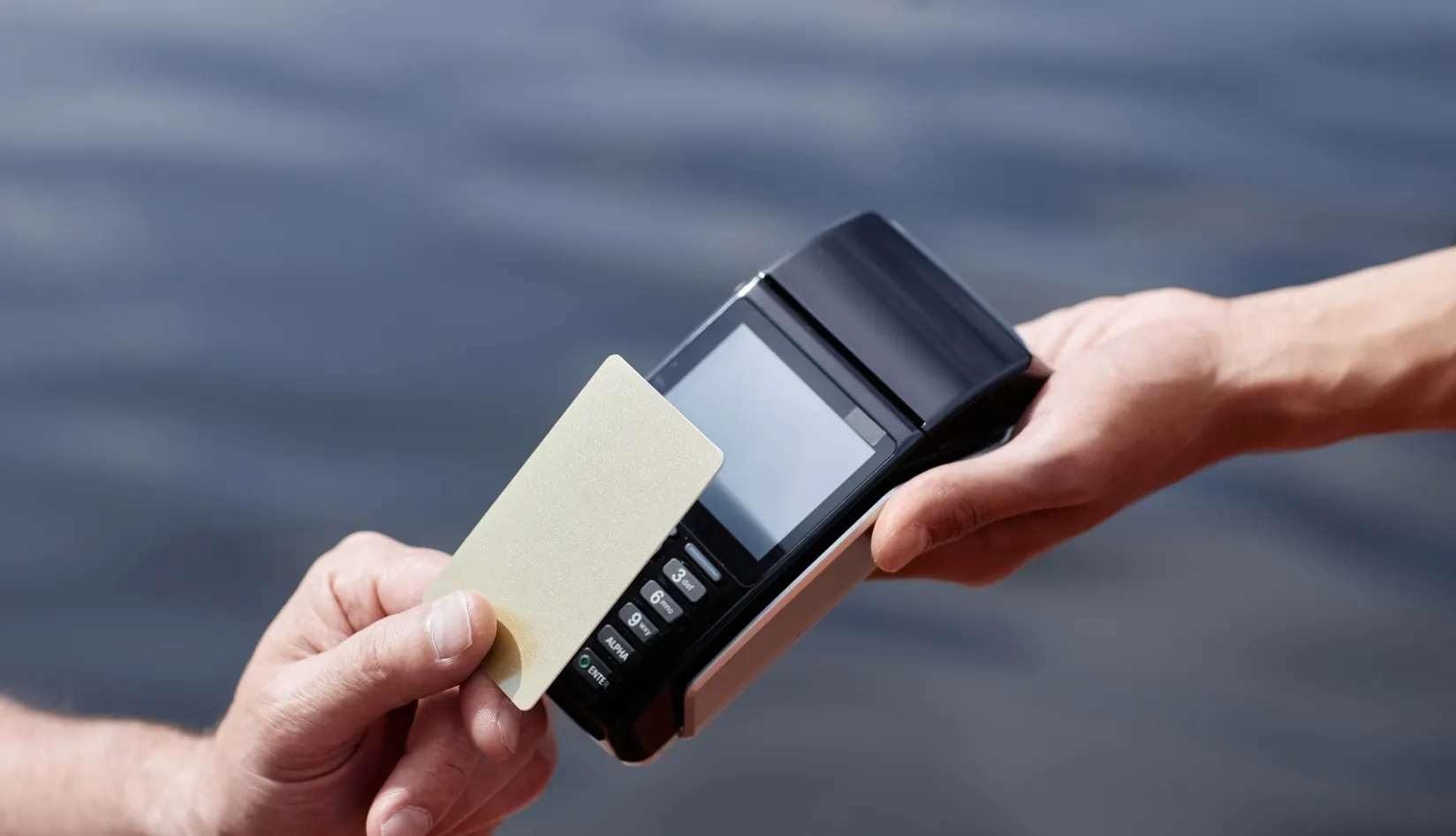
As NFC (Near Field Communication) technology continues to revolutionize business operations, ranging from contactless payments and access control to digital business cards, buying blank NFC cards in bulk has become a common strategy for companies aiming to scale efficiently. However, bulk purchasing doesn’t always guarantee cost savings or performance consistency unless done wisely.
In this comprehensive guide, we’ll explore the top 5 mistakes businesses make when buying NFC cards in bulk, as well as share practical advice to ensure your purchase supports your operational goals, branding standards, and technical requirements.
1. What Are Blank NFC Cards?
Blank NFC cards are contactless smart cards embedded with a small chip and antenna. Unlike pre-encoded cards, these come with no programmed data, allowing businesses to customize them based on specific use cases such as access control, time tracking, loyalty programs, or virtual business cards.
These cards generally operate at a frequency of 13.56 MHz and follow ISO/IEC 14443 or ISO/IEC 15693 standards. Common chip types include:
NTAG®213
NTAG®215
NTAG®216
MIFARE DESFire® series

2. Reasons Why Your Business Should Buy NFC Cards in Bulk
Purchasing blank NFC cards in bulk brings multiple advantages:
Lower cost per unit due to volume discounts
Efficient inventory control for enterprises with high card usage
Consistency in quality and printing when cards are produced in the same batch
Faster implementation of large-scale NFC-based systems
However, these benefits only materialize if buyers avoid common mistakes during procurement.
3. Mistake #1: Choosing the Wrong Chip Type
Not all NFC chips are created equal. One of the most critical mistakes buyers make is failing to assess what chip best matches their application.
Know Your Application Needs
| Chip Type | Best For |
| NTAG213 | Basic tasks like digital business cards or event passes |
| NTAG215 | Applications like Amiibo clones or certain loyalty apps |
| NTAG216 | More memory needs – storing URLs, contact data, app triggers |
| MIFARE DESFire® | Corporate offices, transport cards, campus IDs, smart city infrastructure |
| MIFARE Plus® | Mid-security office and building access |
| MIFARE Classic® | Entry-level hotel and staff access systems |
Avoid Incompatibility Issues
If you’re implementing a solution across Android and iOS, make sure the chip is compatible with both platforms. For example, MIFARE Classic® is not natively supported on iOS, which could create user experience gaps.
For more advice on NFC chip compatibility with your specific application, feel free to consult our expert team — we’ll help you find a tailored solution that works seamlessly.

4. Mistake #2: Ignoring Card Material and Durability
Bulk buyers often focus on pricing and overlook the physical construction of NFC cards. This oversight can lead to premature wear and tear, especially in high-touch environments like schools, offices, and hotels.
Types of Materials
PVC: The most common and cost-effective. Suitable for indoor use.
PET: Offers improved durability and temperature resistance.
ABS: Stronger and more resistant to harsh conditions.
Paper: A more eco-conscious option for temporary use or marketing purposes.
Eco-Friendly Materials:
Unique wooden cards
Biodegradable PVC (BioPoly™ Vinyl)
Paper-like plastic cards (BioPoly™ Stone)
Want to know more about these materials? We’ve got detailed insights available.
Lamination and Coating Matters
Consider UV coating or scratch-resistant lamination if the cards are meant to last or carry printed branding. Without these, even premium chips may degrade before their expected lifecycle ends.
5. Mistake #3: Overlooking Compatibility with Existing Systems
Another frequent error is buying cards that aren’t compatible with your software or hardware systems. This can lead to operational delays, added costs, and wasted inventory.
Check for the Following:
Read/Write protocols used by your card readers
System compatibility with MIFARE, NTAG, or other chip standards
Memory requirements of your application
Read range and antenna size
For example, if your door readers only support the ISO/IEC 14443-A protocol, buying cards using the 15693 protocol will render them useless.
Tips:
Request samples or run early tests with your supplier to verify card compatibility and avoid costly failures.
[Click here to request free samples]

6. Mistake #4: Not Vetting the Supplier’s Reputation
Not all NFC card suppliers are created equal. Some resellers offer generic cards of inconsistent quality or fail to deliver on time, putting your operations at risk.
How to Identify Reliable Suppliers:
Proven track record with repeat clients
Ability to provide references or case studies
Possess valid product certifications (e.g., ISO9001, RoHS, CE)
Clear quality control practices: chip testing, printing inspection, packaging checks
Avoid Dropship-Only Suppliers
Some vendors don’t manufacture cards themselves. Instead, they pass orders to unknown third-party factories, which can result in poor quality control and a lack of accountability.
7. Mistake #5: Failing to Clarify Customization and Encoding Options
Many businesses assume that “blank” NFC cards come with no design or programming, but modern suppliers often offer a variety of customization and pre-encoding services.
Clarify These Details Before Ordering:
Can the supplier pre-encode the cards? In what formats?
Is UID locking available for added security?
What customization is supported?
Full-color printing
Matte/gloss finishes
Signature panels
Is variable data printing available?
QR codes
Barcodes
Personalized names
Failing to ask these questions can lead to delays or receiving cards that are not ready for immediate deployment.

8. What to Look for in a Reliable NFC Card Supplier
Beyond avoiding mistakes, it’s equally important to know what positive traits a dependable supplier should have.
Essential Attributes:
Direct manufacturing capabilities
Flexible MOQs (Minimum Order Quantities)
Fast turnaround times
Secure packaging for transit
Responsive and knowledgeable support team
You should also prioritize suppliers who are transparent about lead times and provide live samples or test cards before large production runs.
9. Hidden Costs When Buying Blank NFC Cards in Bulk
Even if you’ve negotiated a fantastic unit price, hidden costs can creep in unexpectedly:
Shipping and customs duties
Custom print setup fees
Replacement charges due to defective chips or printing errors
Returns or dispute-related losses
Always ask for an all-inclusive quote, and make sure it includes customization, quality control, and any post-sale support.

10. How to Ensure Quality in Large Orders
When ordering thousands of units, quality consistency becomes paramount. A single faulty batch can disrupt your entire project.
Best Practices:
Request a production sample and test it thoroughly.
Inspect a small batch from each carton upon delivery.
Establishing a checklist that covers:
Chip functionality
Print alignment
Color matching
Encoding accuracy
This checklist can protect you from shipment-wide defects.
11. Sustainability and Eco-Friendly NFC Card Options
If your brand values sustainability, don’t miss the opportunity to reflect that in your card material choices.
Eco-Conscious Choices Include:
Recycled PVC or PET cards
Biodegradable NFC cards
Wood-based NFC cards (typically laser-engraved)
Paper NFC cards for temporary uses like events or packaging
Many modern suppliers now offer eco-friendly card lines with the same technical functionality as traditional PVC versions, helping your business stay green without compromise. These options include our unique wooden cards, biodegradable PVC (BioPoly™ Vinyl), or paper-like plastic cards (BioPoly™ Stone).

12. Best Practices for Bulk Ordering Blank NFC Cards
Let’s round things out with a quick checklist that ensures a smooth bulk ordering experience:
Define your technical specs (chip type, memory, frequency)
Choose card material based on usage (PVC, PET, eco-friendly)
Evaluate suppliers rigorously
Confirm customization needs in advance
Always get samples before final approval
Include buffer time for production and delivery
Document every step of the order agreement
When executed properly, buying blank NFC cards in bulk can streamline operations, boost branding, and reduce per-unit costs—without risk.
Conclusion
Buying blank NFC cards in bulk is not just a matter of cost-efficiency—it’s about making informed decisions that align with your technical needs, brand standards, and user experience goals. By avoiding the five common mistakes outlined in this guide—choosing the wrong chip, ignoring material quality, overlooking system compatibility, neglecting supplier vetting, and missing customization details—you can save time, money, and headaches.
We encourage all businesses to approach bulk NFC card procurement strategically, ensuring long-term success and scalability. When done right, the investment pays off in both performance and brand trust.
Ready to order or still have questions?
Contact our team today for expert guidance, free samples, and a tailored solution that fits your needs perfectly.
FAQs
1. Can blank NFC cards be reused after encoding?
Yes, unless the chip has been locked or write-protected. Most NTAG chips support multiple rewrites, allowing you to repurpose cards if needed.
2. How long do blank NFC cards last in storage?
Stored under normal conditions (cool, dry place), most NFC cards have a shelf life of up to 10 years. Heat and humidity can shorten this.
3. Are all NFC cards readable by smartphones?
No. Only NFC Forum-compliant chips like NTAG213/215/216 are readable by both NFC-enabled Android and iOS devices.
4. What file types or data can be stored on NFC cards?
You can store URLs, text, contact data (vCard), app triggers, or command strings depending on the chip’s memory size and app used.
5. Is there a minimum order quantity for custom NFC cards?
Our MOQ is 200 pieces to ensure your money is worth the most, but we also take fewer pieces as trial orders. Besides, we offer FREE custom samples for large-quantity orders.