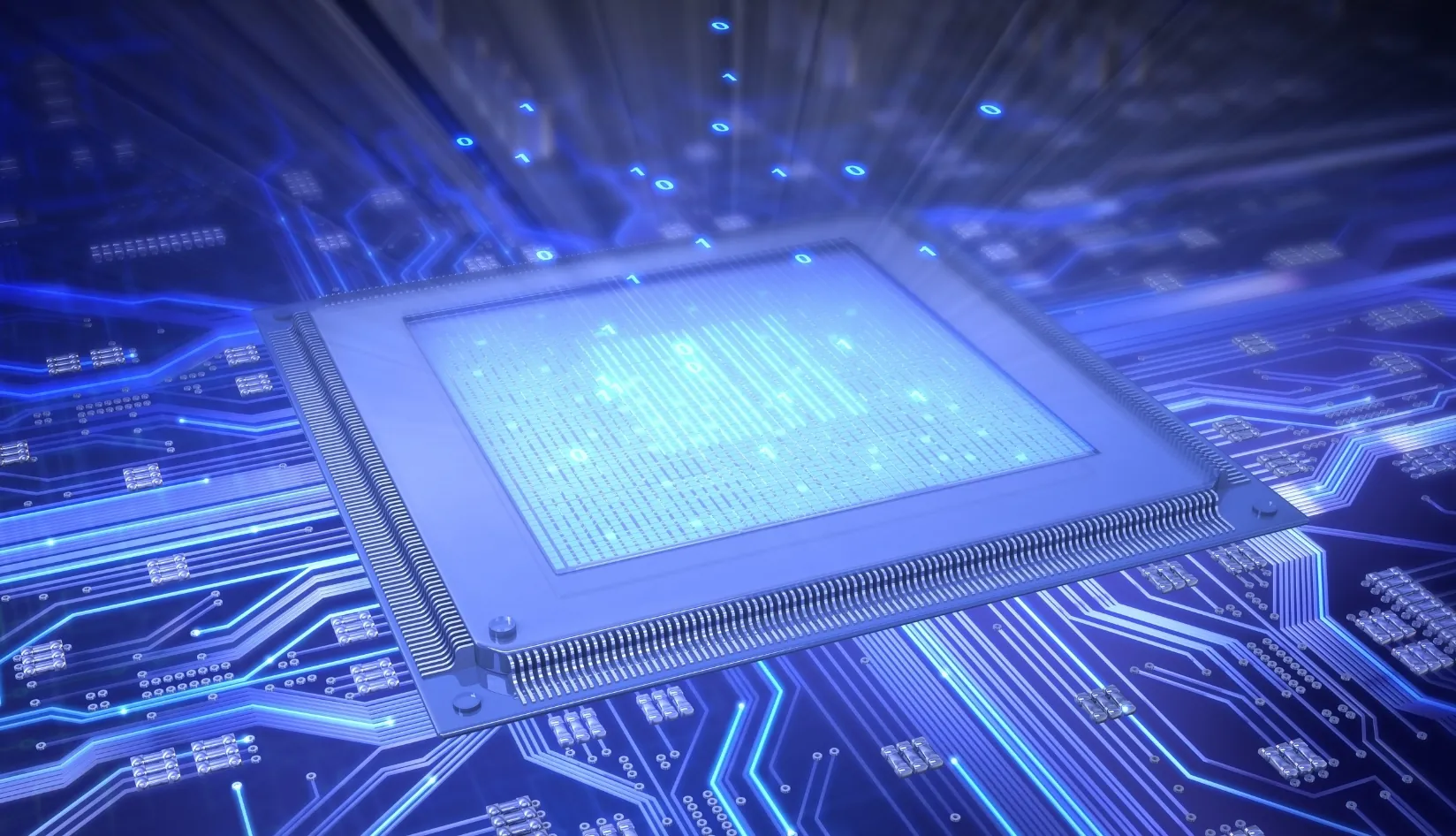
Nowadays, the rapid development of the IoT has significantly improved UHF RFID reader technology. RFID systems are widely used in various industries. From retail, logistics, and warehousing to healthcare, RFID technology has gradually changed how different industries operate. As one of the representatives of RFID technology, the UHF RFID reader stands out in the industry due to its features such as far reading range, fast reading speed, and simultaneous reading of multiple tags. This blog will analyze in detail the latest technology trends and innovations regarding UHF RFID readers.
What are the innovative technologies and trends of UHF RFID reader
Multi-tag reading capabilities
With the increasing number of IoT devices, RFID readers need to read more and more RFID tags. The latest UHF RFID readers use advanced antenna designs and algorithms to effectively improve the ability to read large numbers of tags. In addition, by using parallel processing and anti-collision mechanisms, the readers can read hundreds or even thousands of tags in a short period. This improves the efficiency of data collection to a great extent.
Remote reading
Previous UHF readers generally had a reading range of a few meters to ten meters. Through power amplification and improved antenna technology, the latest readers can read at much longer distances. Some excellent readers have been able to accurately read tag data over ten meters away. This has allowed RFID technology to expand its application in industries such as logistics and warehousing.
Frequency hopping technology
RFID readers in complex environments are often subject to interference from other devices. And the latest UHF RFID reader in the use of frequency hopping technology, you can switch back and forth between multiple frequencies. Not only effectively reduce the interference of other devices, but also enhance the reliability of reading. This technology is ideal for use in complex industrial environments and large sites, ensuring the accuracy and stability of data collection.
Adaptive signal processing
The UHF RFID reader can dynamically adjust its parameters according to environmental conditions with the use of adaptive signal processing technology. For example, its reading power and modulation method. Through flexible adjustment, the reader always maintains excellent performance in different environments. It is beneficial to avoid reading failure caused by factors such as signal reflection and obstacles.
Integrate AI and machine learning
The use of artificial intelligence and machine learning technologies in RFID readers is gradually increasing. By integrating AI, readers can perform functions such as smart tag recognition, anomaly detection, and data prediction. For example, in the management of warehousing, AI can help identify anomalies in inventory and provide early warning of insufficient or redundant inventory quantities, thus optimizing inventory management.
Edge computing
Edge computing is the transfer of data processing and storage from a central server to a device close to the data source. UHF RFID readers process and analyze data locally by integrating edge computing capabilities. It not only reduces the latency of data transmission but also improves the responsiveness and reliability of the system.
Compatibility and interoperability
Compatibility and interoperability are critical for RFID applications. New UHF RFID readers are already able to support a variety of protocol standards such as ISO/IEC 18000-6C and EPCglobal Gen2v2. This allows compatibility and interconnectivity between different devices and systems, opening up the possibility for organizations to deploy and expand RFID systems in the future. At the same time, the cost and complexity of technology integration is effectively reduced.
Cloud integration
The proliferation of cloud computing has improved data sharing and analysis of RFID systems. Today’s UHF RFID readers can support seamless integration of cloud computing platforms by uploading collected data to the cloud using API and standard interfaces. Cloud computing platforms can support big data analysis while providing more powerful data storage and analysis capabilities, effectively enhancing the intelligence and visualization of RFID systems.
Conclusion
Continuous innovation in UHF RFID reader technology has driven the widespread use of RFID systems in a wide range of industries. From the improvement of reading performance to the combination of intelligence, new technology trends provide more efficient and reliable solutions for enterprises. With the continuous improvement and progress of RFID technology, UHF RFID readers will play an important role in laying a solid foundation for the arrival of the Internet of Things era.
After reading this blog, do you have enough knowledge about UHF RFID reader? If you still need more information, feel free to contact our sales experts, who will provide you with the suitable solutions and the professional purchase advice according to your needs. Besides, you can also visit our official website (www.rfidcard.com) to browse UHF RFID reader information.