


When businesses look for ways to improve identification, tracking, and automation, RFID is often mentioned as a reliable solution. But what does RFID stand for, and how can businesses determine whether this technology is suitable for their needs?
1. What Does RFID Stand For?
RFID stands for Radio Frequency Identification. It is a technology that uses radio waves to automatically identify and collect data from objects equipped with RFID tags, cards, or labels.
The term RFID consists of four key elements:
- R = Radio
Refers to the radio waves used to communicate between RFID devices. - F = Frequency
Refers to the specific frequency ranges used for RFID communication, such as LF, HF/NFC, and UHF. - I = Identification
Indicates RFID’s ability to recognize and identify objects, people, or assets without direct contact. - D = Data
Represents the information stored on RFID chips and transferred to RFID readers for processing and management.
Together, these elements describe a technology that enables businesses to identify and track objects automatically without direct contact. By replacing manual identification processes with automated data collection, RFID helps organizations improve visibility, accuracy, and operational efficiency.
2. What Does RFID Mean for Modern Businesses?
For businesses, RFID represents a shift from manual identification methods to automated data collection and management. Instead of relying on time-consuming manual checks or barcode scanning, companies can use RFID to capture information faster, improve accuracy, and gain better control over their operations.
Beyond what does RFID stands for, its real value lies in how it helps businesses solve everyday challenges. By enabling automatic identification, real-time tracking, and secure data management, RFID has become a practical tool for improving operational performance.
Automated Identification
RFID allows businesses to identify items, assets, or users automatically without requiring direct scanning. Unlike traditional identification methods that often require manual handling, RFID readers can collect information from multiple RFID-enabled objects quickly and efficiently.
This helps reduce repetitive tasks, minimize human errors, and streamline workflows in applications such as inventory management, access control, and asset tracking.
Better Visibility
One of the biggest advantages of RFID is improved visibility throughout business operations. RFID technology allows companies to track the movement and status of products, equipment, or other assets more accurately.
For example, businesses can gain better insights into:
- Where items are located
- When products move through different processes
- Which assets are available or in use
With more accurate and timely information, companies can make better decisions and improve resource management.
Improved Efficiency
By automating data collection and reducing manual processes, RFID helps businesses improve operational efficiency.
Common improvements include:
- Faster inventory checks
- More accurate stock management
- Reduced labor costs
- Improved asset utilization
For industries such as retail, manufacturing, hospitality, and logistics, RFID can help optimize daily operations and create more efficient workflows.
Enhanced Security
RFID also supports businesses that require reliable identification and secure access control. With RFID-enabled cards, tags, or wristbands, organizations can verify identities, control access, and improve product security.
Common applications include:
- Hotel key cards for guest access
- Employee ID cards for secure entry
- Membership cards for customer identification
- RFID tags for product authentication and anti-counterfeiting
By combining identification, tracking, and security capabilities, RFID provides businesses with a more reliable way to manage people, products, and assets.

3. Which Businesses Can Benefit From RFID Technology?
RFID technology is not limited to a specific industry. Instead, it is most valuable for businesses that need better identification, tracking, security, or data management. Whether a company manages products, assets, people, or supply chains, RFID can help improve visibility and automate daily operations.
The following types of businesses can benefit most from RFID technology:
Businesses That Need Inventory Visibility
Companies that manage large quantities of products or inventory often face challenges with manual counting, inaccurate stock information, and inefficient tracking processes. RFID helps businesses automatically identify and monitor items throughout their lifecycle.
Common users include:
- Retail businesses
- Warehouses
- Manufacturing companies
Typical applications include:
- Inventory tracking
- Stock management
- Supply chain visibility
- Warehouse operations
With RFID, businesses can reduce manual inventory checks, improve accuracy, and maintain better control over their products.
Businesses That Need Secure Identification
Many organizations need reliable ways to identify users, manage access, or provide convenient customer experiences. RFID enables fast and secure identification through cards, wristbands, and other RFID-enabled products.
Common users include:
- Hotels
- Membership organizations
- Offices
- Events and entertainment venues
Typical applications include:
- RFID hotel key cards
- Access control cards
- Employee ID cards
- RFID wristbands
By replacing traditional identification methods, RFID helps businesses improve security while creating a more convenient experience for users.
Businesses That Need Asset Tracking
Businesses that rely on valuable equipment, tools, or physical assets need accurate information about asset location and usage. RFID provides a more efficient way to track assets compared with manual records or visual inspections.
Common users include:
- Manufacturing companies
- Healthcare organizations
- Logistics providers
Typical applications include:
- Equipment tracking
- Asset management
- Tool tracking
- Maintenance management
With RFID asset tracking, businesses can improve asset utilization, reduce losses, and ensure important resources are available when needed.
Businesses That Need Product Authentication
For industries where product authenticity and traceability are critical, RFID can provide a secure way to verify products and protect brand value.
Common users include:
- Luxury goods brands
- Pharmaceutical companies
- Electronics manufacturers
Typical applications include:
- Anti-counterfeiting
- Product verification
- Supply chain traceability
- Product lifecycle management
By attaching RFID tags or labels to products, businesses can create a more transparent and secure supply chain while helping customers verify product authenticity.
Overall, RFID is most suitable for businesses looking to replace manual processes with automated identification, improve operational visibility, and gain more control over their products, assets, or users.
4. Is RFID Suitable for Your Business?
Before investing in RFID technology, businesses should first determine whether it can solve their specific operational challenges. RFID is not necessary for every application, but it can provide significant value when companies need faster identification, better tracking, and more accurate data management.
Ask yourself the following questions to evaluate whether RFID is the right choice for your business:

Do You Manage Hundreds or Thousands of Items?
If your business handles a large number of products, assets, or equipment, RFID can help improve visibility and reduce the time required for manual tracking.
Traditional inventory processes often rely on barcode scanning or manual counting, which can be time-consuming and prone to errors. RFID enables businesses to identify multiple items automatically and maintain more accurate inventory records.
RFID may be a good fit for businesses that need:
- Faster inventory counting
- Real-time item visibility
- Better stock accuracy
- Improved warehouse management
Do You Rely on Manual Data Collection?
Businesses that still depend heavily on manual data entry, visual inspections, or repetitive scanning processes may benefit from RFID automation.
By automatically collecting identification data through RFID readers, businesses can reduce manual work and improve workflow efficiency.
RFID can help automate processes such as:
- Inventory updates
- Asset check-in and check-out
- Access verification
- Product movement tracking
This allows employees to spend less time on routine tasks and focus on higher-value activities.
Do You Need Better Tracking and Traceability?
If your business requires knowing where items are located, how they move, or who accesses them, RFID can provide better tracking capabilities.
RFID helps create a clearer record of product or asset movement, making it easier to monitor operations and improve accountability.
Businesses that require better traceability may use RFID for:
- Supply chain tracking
- Asset lifecycle management
- Product authentication
- Equipment monitoring
Do You Need More Secure Identification or Access Control?
For businesses that need to verify users, manage permissions, or provide secure access, RFID offers a convenient and reliable identification method.
RFID cards and wristbands are commonly used for:
- Hotel room access
- Employee identification
- Membership management
- Event access control
If your business faces challenges related to manual processes, limited visibility, or inefficient identification methods, RFID may be a valuable solution to improve operational efficiency and data accuracy. The next step is choosing the right RFID product based on your specific application requirements.
5. What RFID Products Can Businesses Choose From?
RFID technology can be implemented through different products based on application requirements. Choosing the right RFID product helps businesses achieve better identification, tracking, and operational efficiency.
RFID Cards for Identification and Access Applications
RFID cards are ideal for businesses that need secure identification and convenient access control.
Common applications include:
- Hotel key cards
- Membership cards
- Employee ID cards
- Access control cards
With different chip options, materials, and customization choices, RFID cards can be designed to meet various identification needs.
Explore custom RFID card options for your identification and access applications.
RFID Labels for Inventory and Supply Chain Tracking
RFID labels provide a lightweight and scalable solution for businesses that need to track products, inventory, and shipments.
Common applications include:
- Inventory management
- Warehouse operations
- Logistics tracking
- Retail product tracking
They are suitable for high-volume applications where efficient identification and traceability are required.
Discover RFID label solutions designed for tracking and inventory applications.
Custom RFID Tags for Specialized Applications
Custom RFID tags are designed for applications that require durable and flexible identification solutions.
Common applications include:
- Asset tracking
- Industrial equipment tracking
- Product authentication
- Outdoor identification
With customized designs and materials, RFID tags can support challenging environments such as metal surfaces and industrial applications.
Find customized RFID tags for your specific application requirements.
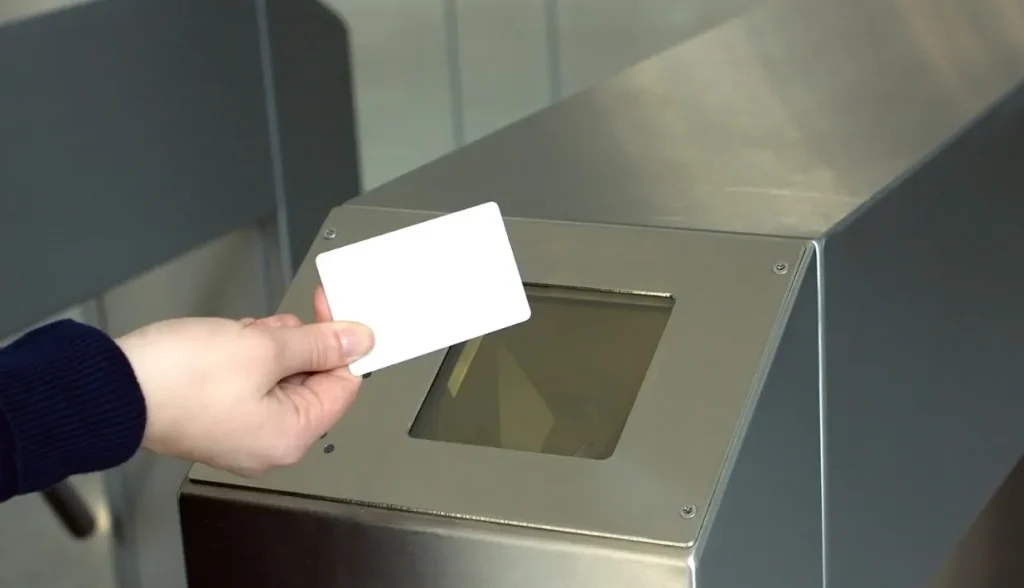
RFID Solutions and Systems for Complete Implementation
Some businesses require more than RFID products and need complete systems that combine hardware, software, and workflow integration.
RFID systems can include:
- RFID readers
- Data management software
- Integration support
- Process automation
They are suitable for organizations looking to deploy RFID at a larger operational scale.
Explore RFID system solutions for end-to-end implementation.
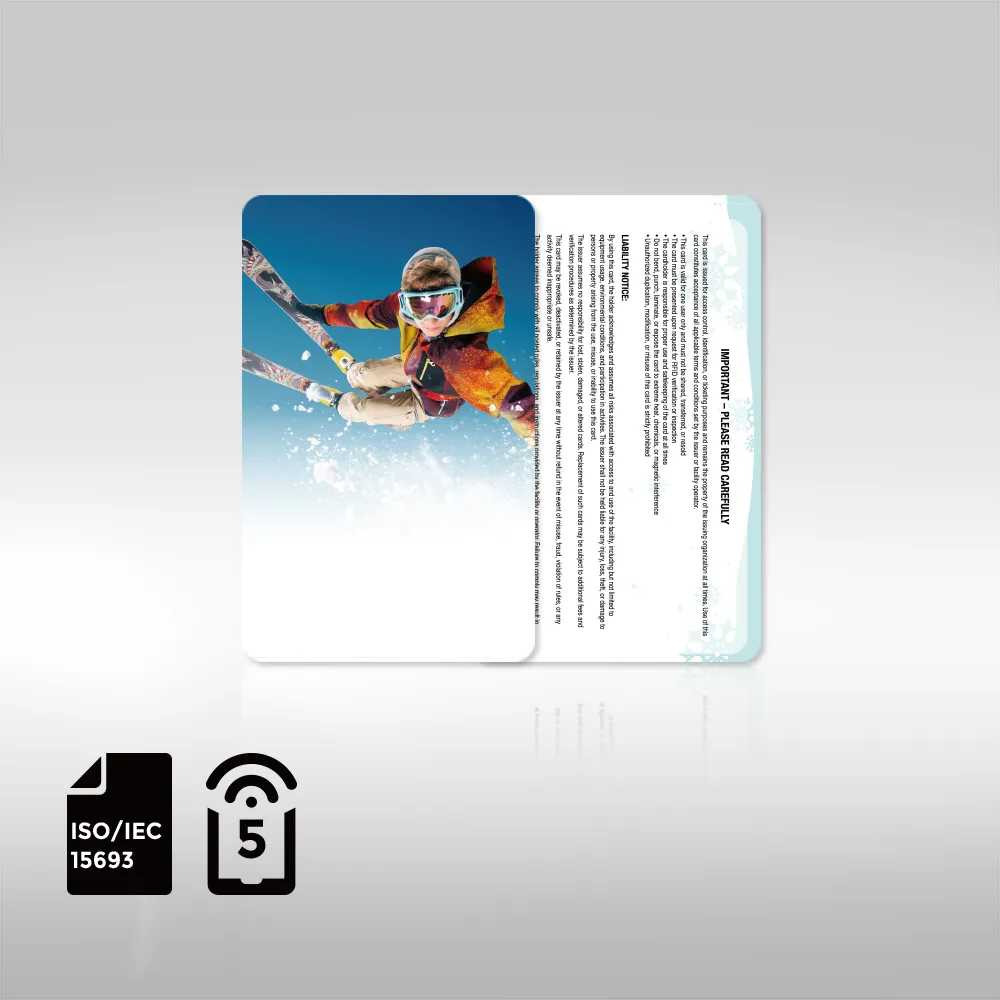
RFID Ski Pass Card NXP ICODE® SLIX2

The NXP ICODE® SLIX2 RFID Ski Pass Card is a high-performance HF smart card designed for ski resorts, mountain attractions, and outdoor access applications. Embedded with the NXP ICODE® SLIX2 chip, this card operates at 13.56 MHz and complies with ISO/IEC 15693 and NFC Forum Type 5 standards, providing reliable contactless identification and fast access validation. With long read range capability, anti-collision support, and sufficient user memory, it is suitable for lift access control, season passes, guest identification, and resort ticketing systems.

Wooden Hilton Key Card Copy
The wooden RFID key cards we designed for Hilton Hotels are made from sustainable, natural, eco-friendly wood, and their unique texture exudes a luxurious feel. Each card is fully customized to seamlessly integrate with Hilton’s existing RFID locking system, providing guests with secure and convenient access.

ColorEdge™ Hilton Key Card Copy
Our ColorEdge™ card is specifically designed for Hilton Hotels. Unlike ordinary white PVC cards, this card uses ColorEdge™ material, which not only provides secure room access but also aligns well with Hilton‘s brand image, reflecting the hotel’s fashion and luxury. Its unique design allows every guest to experience a high-end stay, perfectly combining security and style.

Hotel Key Card
Our ColorEdge™ card is designed to deliver a premium experience beyond traditional white PVC cards. Made with advanced ColorEdge™ material, it provides reliable room access while enhancing the visual appeal with a refined, stylish finish. Combining functionality, durability, and elegant design, this card helps hotels create a more memorable guest experience while reflecting a modern and sophisticated brand image.

RFID Card CR80 ST25TV02KC
The ST25TV series fully comply to NFC Forum Type 5 Tag and ISO/IEC15693 specifications.The ST25TV02KC NFC card is uniquely identified by a 64-bit UID with up to 2.5 Kbits of EEPROM. It features advanced TruST25™ digital signature for product authenticity and supports Augmented NDEF for dynamic data exchange, making it an ideal solution for secure identification and engagement applications.

100% Plastic-Free RFID Paper Card NXP® MIFARE Ultralight® EV1
The 100% plastic-free RFID Paper Card uses an innovative paper-based antenna to replace traditional plastic and PET structures, significantly reducing environmental impact. As the industry’s first developer of paper-based antenna RFID cards, we are committed to advancing truly 100% eco-friendly RFID solutions. Powered by the NXP® MIFARE Ultralight® EV1 chip and compliant with ISO/IEC 14443-A, it ensures reliable contactless performance for access control and identification applications.

BioPoly™ Stone RFID Card Made with 100% Paper-Based Antenna NXP® MIFARE Ultralight® EV1
The RFID BioPoly™ Stone Card Made with 100% Paper-Based Antenna is designed for brands seeking high performance with a lower environmental footprint. Featuring a Zero PET, Zero PVC paper-based antenna combined with durable BioPoly™ Stone, it delivers rock-solid strength and reliable RFID performance. As the industry’s first developer of paper-antenna RFID cards, we continue to advance eco-friendly RFID solutions through sustainable innovation. Powered by NXP® MIFARE Ultralight® EV1 and compliant with ISO/IEC 14443-A, it is ideal for access control and identification applications.

RFID Playing Cards with Multi-Card Stack Reading

BioPoly™ Vinyl RFID Inlay Sheet MIFARE Ultralight® EV1
The MIFARE Ultralight® EV1 BioPoly™ Vinyl RFID Inlay Sheet combines sustainable BioPoly™ Vinyl with advanced 13.56 MHz RFID technology. Featuring the MIFARE Ultralight® EV1 chip, compliant with ISO/IEC 14443-A and NFC Forum Type 2 standards, it offers 48 or 128 bytes of secure user memory for versatile applications. Lightweight, durable, and available in customizable sizes, it delivers eco-friendly, high-performance RFID solutions for smart ticketing, access control, and brand protection.

BioPoly™ Vinyl RFID Inlay Sheet MIFARE Ultralight® C
The MIFARE Ultralight® C BioPoly™ Vinyl RFID Inlay Sheet combines sustainable BioPoly™ Vinyl with advanced 13.56 MHz contactless technology. Featuring the MIFARE Ultralight® C chip with ISO/IEC 14443-A and NFC Forum Type 2 compliance, it offers 144 bytes of user memory and enhanced security features. Lightweight, durable, and customizable, it’s ideal for eco-conscious applications like transit, ticketing, and access control.

BioPoly™ Vinyl RFID Inlay Sheet MIFARE Ultralight® AES
The MIFARE Ultralight® AES BioPoly™ Vinyl RFID Inlay Sheet features BioPoly™ Vinyl, a biodegradable PVC containing bio-based additives and metal salts that are safe and eco-friendly. Unlike traditional PVC, BioPoly™ Vinyl biodegrades fully within about three years, significantly reducing environmental impact. The inlay is equipped with the MIFARE Ultralight® AES chip, offering strong AES-128 encryption for secure data protection and fast, reliable contactless communication compliant with ISO/IEC 14443-A standards. Its compact design supports versatile applications such as ticketing, access control, and loyalty programs. This product combines sustainability with high security and performance, ideal for eco-conscious businesses.



