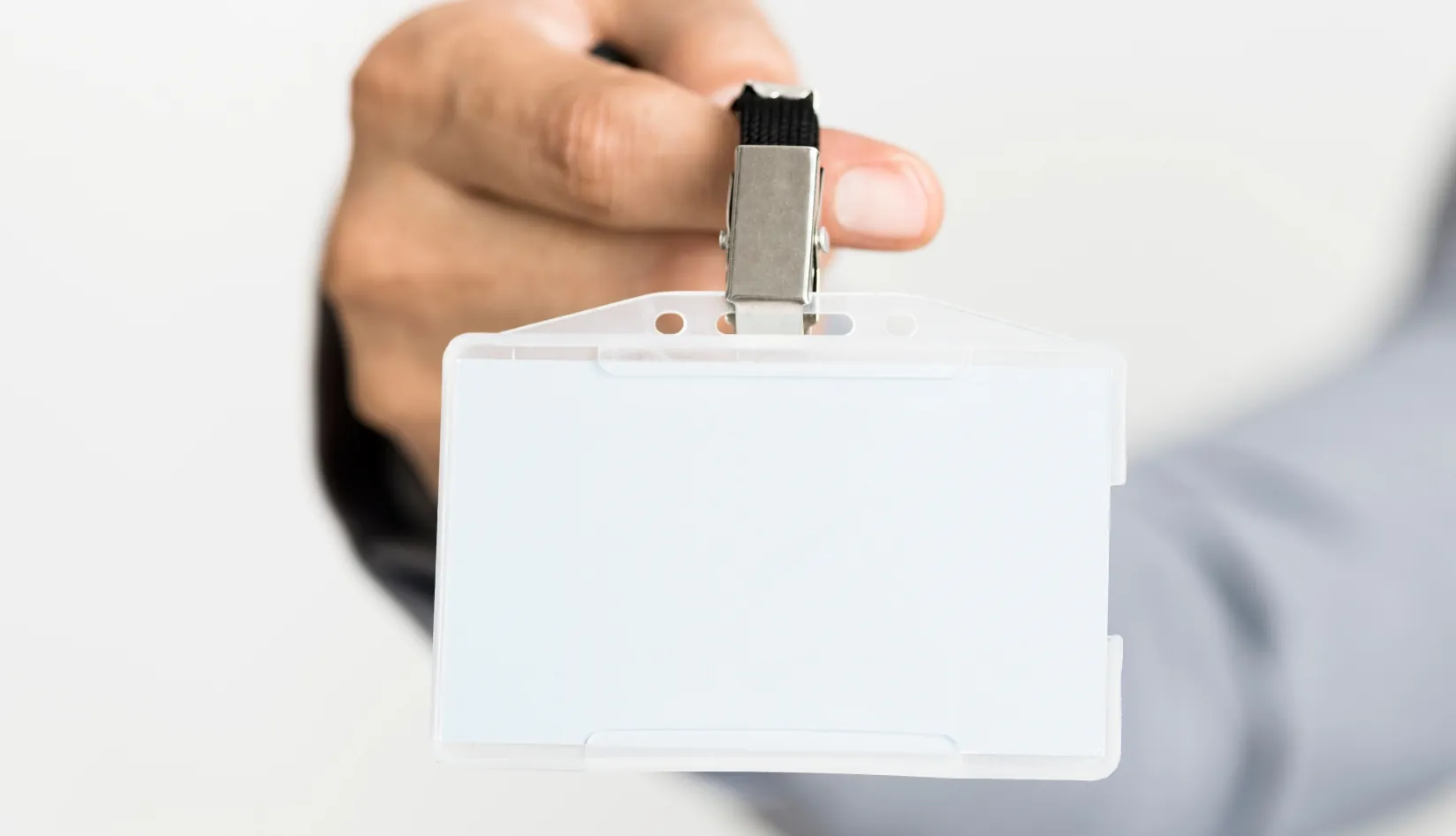
Driven by advancements in the Internet of Things (IoT), artificial intelligence, and integrated systems, modern commercial and residential structures are demanding more than just basic functionality. They now require intelligence, efficiency, and, most critically, superior security. This shift is particularly evident in access control. Traditional methods—such as physical keys, manual logbooks, or simple push-button panels—are often cumbersome and are quickly becoming obsolete. Modern smart buildings need automated, digital solutions that can manage hundreds or even thousands of occupants and visitors with precision and speed. At the forefront of this revolution in vertical access control is the elevator card—a simple yet powerful technology that is fundamentally transforming how people move within secure, multi-story environments.
1. What Is an Elevator Card?
An elevator card is a type of RFID or NFC card that allows authorized users to access specific floors in a building. Instead of pressing any button on the control panel, users simply tap or present their card to a reader. The reader is installed either inside or outside the elevator. The system then verifies the card’s data and checks the user’s access permissions. It only activates the buttons or floors that the user is authorized to visit.
Elevator cards can be programmed individually for residents, employees, or guests. In an apartment, for instance, each resident’s card might only grant access to their floor, shared amenities, and parking areas. In an office, the same principle ensures that employees can only reach designated departments or secured zones. This simple yet powerful tool plays a critical role in smart building ecosystems, linking with centralized management systems to track movement, enhance privacy, and prevent unauthorized entry.
2. The Security Limitations of Traditional Elevator Systems
Before smart elevator systems, building security often depended on mechanical keys, manual oversight, or unrestricted control panels. These methods, while functional, came with several limitations:
- Lack of security control: Anyone could access any floor once inside the elevator.
- No traceability: Traditional systems provided no record of who accessed which floor or when.
- High human dependency: Security personnel were required to monitor or operate elevators manually.
- Limited customization: Access levels could not be easily updated without physical intervention.
3. How Elevator Card Systems Enhance Smart Building Security
The implementation of an elevator card system marks a significant upgrade in a building’s security posture, moving from passive control to active, intelligent management. The enhancements are multifaceted, touching on access control, system integration, and operational efficiency.

3.1 Controlled Access per Floor
The most direct security benefit is the ability to enforce controlled access per floor. By linking the card’s credential to a database of authorized floors, the system ensures that only individuals with a legitimate reason can reach a specific destination. This is crucial for multi-tenant buildings, hospitals with sensitive wards, or corporate headquarters with executive or data centers. The system can also be programmed with time-based restrictions, meaning an employee’s card might only grant access to their office floor during business hours, further tightening security outside of these times.
3.2 Integration with Building Management Systems (BMS)
A key feature of smart building technology is integration. Modern elevator card systems are not standalone devices. They are designed to sync seamlessly with the broader Building Management System (BMS). This integration creates a centralized access control platform. With a single credential—the elevator card—users can manage entry through the main lobby turnstile, the parking garage gate, the office door, and the elevator itself. This unified approach simplifies management and reduces the number of credentials an occupant needs to carry. It also ensures consistency in security policies across the entire property.
3.3 Data Tracking & Real-Time Monitoring
Every time an elevator card is presented to a reader, the event is logged, creating a comprehensive, tamper-proof audit trail. This data includes the card ID, the time and date of the access attempt, the elevator car used, and the floor requested. This real-time monitoring capability is invaluable for security oversight. It allows security personnel to instantly identify and respond to unauthorized access attempts and provides forensic data for investigations. This level of transparency is impossible with mechanical keys or manual systems.
3.4 Reduced Human Intervention and Enhanced User Convenience
While security guards remain vital, the elevator card system reduces the need for them to be involved in the repetitive, error-prone task of verifying every elevator user. This allows security staff to focus on higher-level surveillance and response. Simultaneously, the system offers enhanced user convenience. The contactless nature of the card means a quick tap or wave is all that is needed, often faster than fumbling for a key or waiting for a guard’s verification. This efficiency is particularly valued in high-traffic areas and has become an expected feature in a post-pandemic world where contactless interactions are preferred.
4. The Role of RFID and NFC in Elevator Card Technology
The intelligence of the modern elevator card is rooted in its underlying wireless communication technology, primarily RFID (Radio-Frequency Identification) and NFC (Near-Field Communication). These technologies enable the secure, instantaneous data exchange between the card and the reader without physical contact.
4.1 Technology Comparison and Function
RFID technology uses electromagnetic fields to automatically identify and track tags attached to objects. In the context of the elevator card, the tag is the embedded chip and antenna. RFID operates across various frequencies:
- Low-Frequency (LF) 125 kHz: Offers a short read range and is often used for basic access control.
- High-Frequency (HF) 13.56 MHz: This is the most common frequency for secure access control, as it supports more advanced features like encryption and is the foundation for NFC.
- Ultra-High Frequency (UHF) 860–960 MHz: Provides a longer read range, sometimes used for hands-free access in parking garages, but less common for in-car elevator access.
NFC is a subset of HF RFID, designed for extremely short-range communication (typically 4 cm or less). It is the technology that powers mobile credentials, allowing a smartphone to function as the elevator card.
4.2 Security and Data Protection
A critical distinction between modern and older access cards is the focus on encryption and data protection. Simple, older magnetic stripe cards or unencrypted LF RFID cards are easily cloned. Modern elevator card systems, however, utilize advanced, industry-standard chip types such as MIFARE DESFire or similar high-security platforms. These chips employ sophisticated cryptographic algorithms to ensure that the data transmitted between the card and the reader is secure and cannot be intercepted or replicated by unauthorized devices. This robust security layer is what makes the digital elevator card a trustworthy component of a high-security environment.
5. Real-World Applications in Smart Buildings
The versatility of the elevator card system allows it to be tailored to the unique security and operational needs of various sectors, proving its value across the spectrum of smart buildings.

- Residential Buildings: Residents can only access their assigned floors, shared amenities, or parking areas. This ensures privacy and eliminates the risk of unauthorized entry between units.
- Corporate Offices: Elevator cards simplify staff management. Employees can access relevant departments, while contractors or visitors receive temporary credentials that expire automatically.
- Hotels: Guests receive elevator cards linked to their room numbers. When their stay ends, the card deactivates automatically—streamlining the check-in and check-out process.
- Hospitals and Universities: Sensitive areas like laboratories, medication storage, or patient wards can be restricted to specific personnel. The system keeps detailed logs for accountability and compliance.
A compelling example of this integration can be seen in a major financial institution’s headquarters in London. They integrated their employee ID badges, which function as their elevator card, with their parking, turnstile, and desktop login systems. This unified approach not only streamlined employee movement but also provided a single, comprehensive audit log for all physical and digital access points, leading to a 40% reduction in reported internal security incidents within the first year of implementation.
6. Integration with Other Smart Systems
The true power of the elevator card system in a smart building lies in its ability to integrate with other intelligent technologies, creating a cohesive and automated environment. Modern systems communicate via standardized protocols, allowing them to connect with:
- IoT-enabled doors and gates: The same credential that activates the elevator can unlock a secure server room door or open a vehicle gate.
- Building Management Software (BMS): This integration allows security managers to control all access points from a single dashboard, simplifying policy enforcement and credential management.
- Mobile Credential Apps: The shift towards mobile-first solutions means that a user’s smartphone can replace the physical card. This not only enhances convenience but also leverages the phone’s built-in security features, such as biometric authentication (fingerprint or face ID), to provide an even higher level of security before the phone acts as the elevator card.
7. Conclusion
Smart buildings represent the next stage of urban evolution—spaces that respond intelligently to human needs. Within this vision, the elevator card is not just a small piece of plastic but a key component of digital transformation. It enhances security, simplifies management, and elevates user experience by making vertical movement as safe and seamless as possible. Looking to modernize your building with a secure and intelligent elevator card system? Contact our team today to explore customizable RFID and NFC solutions designed for residential, commercial, and industrial applications. Let’s make every elevator ride smarter, safer, and more connected.
Recommended Product
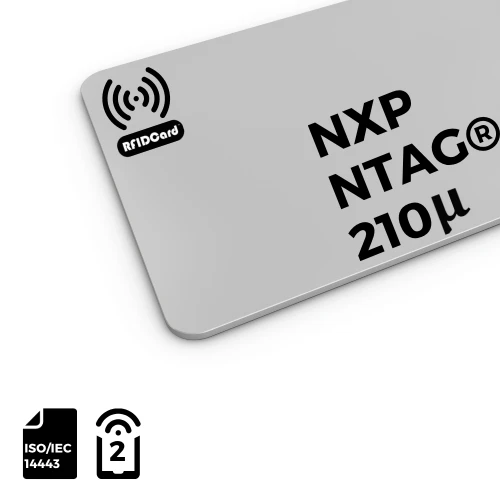
NFC Card NXP NTAG® 210μ

The NTAG® 210μ NFC card made with Photo-quality standard PVC sheets into size of CR80, that are suitable for use with most direct thermal or thermal transfer card printers. NFC Label or other types of tag with NTAG® 210μ IC also available upon request.