RFID is a technology that uses radio waves to identify and track objects, dating back to the 1940s. Back then, RFID was used in the military to help the Allies tell the difference between enemy and friendly aircraft in World War II. As the technology matured, RFID started becoming widely used in commercial sectors like transportation, logistics, and identity verification in the 1980s.
Fast forward to the 21st century, with falling costs and tech optimization, the use of RFID in modern enterprises has become commonplace. Today, RFID is a key tool for optimizing supply chain management, improving inventory accuracy, and enhancing security. Retailers like Zara, logistics giants like DHL, and even hospitals and manufacturing firms leverage RFID to boost operational efficiency and gain real-time data support.
Market analysis forecasts that the global RFID market size is expected to grow from 15.8 billion in 2023 to 40.9 billion by 2032, with a compound annual growth rate (CAGR) of 11.1% from 2023 to 2032. This rapid growth indicates that RFID technology will become a driving force in digital transformation for businesses in the future, enabling them to operate more efficiently and smartly.

What is RFID technology? How it works and its features
RFID technology (radio frequency identification technology) is an automated tech that uses radio waves to identify and track objects. RFID systems generally consist of three parts: tags, readers, and backend databases. This technology can read multiple tags without needing a direct line of sight, which significantly boosts the speed and accuracy of data collection, making it widely used in logistics, retail, healthcare, supply chain management, and more.
How RFID works?
The working principle of RFID is pretty straightforward and mainly relies on radio frequency communication. Each RFID tag has a tiny chip and an antenna. The chip holds information about the item, while the antenna transmits and receives signals. The RFID reader emits a radio frequency signal, and when the tag comes within the reader’s signal range, the tag’s antenna picks up the signal and sends the stored info back to the reader. The reader then passes the collected data to the backend database for processing. Through this backend system, businesses can track the details of goods, inventory, or assets in real time.
Features of RFID technology
No line of sight needed: Unlike traditional barcode technology, RFID can read data without needing a direct view, even scanning multiple tags through obstacles.
Batch reading capability: RFID can read multiple tags at once, vastly improving data processing efficiency, which is particularly useful in large-scale logistics, inventory management, and supply chains.
Large data storage capacity: RFID tags can hold more information than barcodes and can be updated in real time. For instance, an RFID tag in logistics can contain detailed data about the product, batch, transportation status, and more.
Adapts to harsh environments: RFID tags can operate in extreme conditions like high temperatures and humidity, which makes them highly practical in industrial and manufacturing scenarios.
Enhanced security: RFID tags can prevent unauthorized reading through encryption, boosting data security, especially in access control systems and identity verification fields.

Why RFID is Critical for Modern Businesses
RFID technology is becoming increasingly important in today’s business landscape. Its application not only enhances operational efficiency but also provides enterprises with a stronger competitive edge. Here are several key aspects of why RFID is vital for modern businesses:
Improve Operational Efficiency
RFID technology can significantly enhance inventory management efficiency. By utilizing RFID tags, businesses can monitor inventory in real-time, avoiding the inefficiencies and errors associated with manual processes in traditional barcode scanning. RFID systems can automatically identify and record the entry and exit of items, enabling rapid inventory counts and reducing errors.
For instance, retailers can leverage RFID to swiftly process customer checkouts, minimizing wait times and enhancing the customer experience. Additionally, in logistics and supply chain management, RFID can automatically identify the location of goods, ensuring transportation efficiency and accuracy while reducing transportation costs.
Enhance Data Accuracy
RFID technology provides higher levels of data accuracy. Traditional manual data entry is prone to errors, while RFID enables automated data collection, significantly reducing human intervention. This high accuracy not only helps decrease inventory losses but also improves decision-making effectiveness. For example, in manufacturing, companies can use RFID to monitor production line status in real-time, ensuring smooth operations and optimal resource utilization.
Improve Customer Experience
The contribution of RFID technology to customer experience is increasingly apparent. By tracking inventory in real time, businesses can promptly understand the availability of products, providing more accurate delivery and inventory information. Moreover, RFID can enhance the shopping experience; for example, RFID-equipped smart shelves allow customers to easily access product information and promotions, improving the convenience and enjoyment of shopping.
Support Intelligence and Automation
With the rise of the Internet of Things (IoT) and big data analysis, RFID has emerged as a key technology for achieving intelligence and automation. RFID systems can be integrated with other smart devices and systems (such as sensors and cloud computing platforms) to form an interconnected ecosystem. This integration allows companies to acquire and analyze data in real time, supporting predictive analytics, inventory optimization, and intelligent operational decisions.
Reduce Operating Costs
Although RFID technology necessitates a certain upfront investment, it can significantly reduce operating costs in the long run. By minimizing inventory losses, improving operational efficiency, and reducing labor costs, companies can achieve substantial cost savings. Furthermore, RFID assists businesses in mitigating instances of mis-shipment, lost, or damaged goods, further lowering risks and costs across the supply chain.
Improve Transparency and Traceability
RFID technology provides companies with better transparency and traceability. By tracking goods in real-time throughout the entire supply chain, companies gain better insights into both the sources and destinations of products. This transparency not only enhances internal management efficiency but also builds consumer trust in the brand. For instance, in the food industry, RFID enables food traceability management, ensuring food safety from the source and meeting consumer demands for transparency.
Adapt to Rapidly Changing Market Environment
The modern business climate is characterized by rapid change, with shifting consumer demands and market trends. RFID technology enables businesses to react quickly to market fluctuations. Through real-time data analysis and monitoring, businesses can proactively adjust production and supply chain strategies. This adaptability not only helps maintain a competitive advantage but also enhances market responsiveness and seizes new business opportunities.

Which industries can benefit from RFID?
RFID technology can bring significant benefits across many industries. Here’s a detailed look at some of the major industries that stand to gain, along with real-life examples from each sector:
Retail Industry
The core value of RFID technology in retail lies in its ability to significantly enhance inventory management accuracy, improve customer experience, and boost sales. By monitoring goods in real time, retailers can effectively respond to customer needs and reduce out-of-stock and unsellable scenarios.
Inventory Transparency: RFID technology provides real-time inventory data, allowing merchants to accurately understand the inventory status of each product, promptly restock, and avoid backlogs and stockouts.
Sales Forecasting: By analyzing data collected through RFID, retailers can more accurately predict sales trends, optimizing purchasing strategies and reducing capital investment.
Quick Response to Market Changes: RFID helps retailers swiftly adjust inventory strategies in response to seasonal demand or promotional activities.
Case Study: Zara, a leading global clothing retailer, utilizes RFID technology to manage its inventory. Each item is tagged with an RFID label, allowing store employees to quickly access inventory information for each item using an RFID scanner. Zara’s RFID system processes data on thousands of items within seconds, greatly improving inventory accuracy. This allows Zara to instantly synchronize inventory between its stores and online platforms, enhancing the customer shopping experience. Zara also leverages RFID to better understand customer shopping behavior, such as which products are most popular and what customers choose in fitting rooms. This data helps Zara develop accurate sales strategies for launching new seasonal products, increasing stock for hot-selling items, and ultimately driving sales.
Logistics and Transportation Industry
In the logistics and transportation sector, RFID technology greatly enhances traceability, transportation efficiency, and safety. Through real-time monitoring and data collection, companies can better manage every link in the transportation chain.
Real-Time Cargo Tracking: RFID tags enable companies to track the status and location of goods throughout the shipping process, reducing the risk of cargo loss and delays.
Reduced Human Errors: RFID technology minimizes reliance on manual operations and reduces the likelihood of recording errors through automated data collection.
Optimized Transportation Routes: The data analysis capabilities of RFID systems allow logistics companies to adjust transportation routes in real time, helping to avoid congestion during peak hours.
Case Study: DHL, one of the world’s largest logistics companies, extensively uses RFID technology in its distribution centers and transportation networks. DHL employs RFID tags to track packages and monitor their transport status in real time. For instance, DHL has implemented RFID systems in distribution centers globally, allowing immediate updates to status information when a package moves from one location to another. With RFID, DHL not only significantly improves operational efficiency but can also rapidly provide customers with the real-time location of their packages upon request, enhancing customer satisfaction.
Medical Industry
In the medical field, RFID technology aims to improve patient safety, reduce medical errors, and enhance asset management. By tracking medical equipment, medications, and patients, hospitals can manage resources more effectively.
Asset Management: RFID can track and manage medical equipment in hospitals, ensuring equipment availability and reducing loss.
Patient Safety: RFID technology can track patient identity and treatment processes, minimizing the chances of medication errors and improper treatments.
Improved Compliance: In medication management, RFID helps hospitals monitor drug usage, ensuring compliance with regulatory requirements.
Case Study: The Cleveland Clinic, a renowned medical facility, employs RFID technology to manage its medical equipment and drugs. The hospital outfits all critical equipment and medications with RFID tags to monitor their location and usage in real time. By implementing RFID, the Cleveland Clinic has reduced equipment loss and improved asset utilization. The hospital also uses RFID to track drug storage and usage, ensuring that medications are used before expiration, thus reducing waste and enhancing patient safety.
Manufacturing
In manufacturing, RFID technology can boost production efficiency, reduce scrap rates, and improve asset traceability. Through real-time data collection and analysis, manufacturers can quickly adjust production strategies to adapt to market changes.
Real-Time Production Monitoring: RFID tags can be attached to each stage of production to record data in real time, helping managers track progress.
Process Optimization: Analyzing RFID data enables manufacturers to identify bottlenecks and optimize processes to enhance production efficiency.
Improved Product Quality: RFID technology can track the entire lifecycle of products, ensuring they meet quality standards.
Case Study: Toyota Motors extensively uses RFID technology across its global manufacturing facilities to enhance production efficiency. Each part is fitted with an RFID tag, allowing Toyota to track parts usage in real time to ensure every component on the production line is current. Toyota’s RFID system enables production line workers to quickly access part information, allowing for timely adjustments. Additionally, Toyota can monitor production efficiency through RFID and adjust production plans based on real-time data, successfully enhancing productivity.
Food and Beverage Industry
RFID technology in the food and beverage sector ensures full traceability from production to sales, enhances food safety, and improves responsiveness.
Supply Chain Tracking: RFID can record information related to food production, transportation, and storage to ensure compliance with food safety standards.
Waste Reduction: By monitoring food inventory and sales in real time, companies can more effectively manage expired products and minimize waste.
Increased Consumer Trust: RFID technology provides consumers with information about product origins, reinforcing their trust in the brand.
Case Study: Walmart extensively utilizes RFID technology in its supply chain management to ensure food safety and traceability. By implementing RFID tags on food packaging, Walmart can track the source and transport status of food in real time. This capability allows Walmart to act quickly in response to food safety issues, mitigating losses related to recalls. With its RFID system, Walmart has significantly improved its response time for food recalls and greatly reduced the time necessary for addressing food safety issues. This rapid response not only protects consumer safety but also minimizes potential economic losses for the company.
Libraries and Educational Institutions
RFID technology applied in libraries and educational institutions makes book management more efficient, reducing the time spent on borrowing and returning books, and improving overall operational efficiency.
Automated Management: RFID helps libraries implement self-service borrowing and returning systems, cutting down on manual management costs.
Theft Reduction: RFID tags assist libraries in tracking book locations and minimizing loss or theft.
Enhanced User Experience: RFID systems enable patrons to quickly find and check out the books they need, improving user satisfaction.
Case Study: The New York Public Library widely employs RFID technology in its operations, affixing RFID tags to each book. This setup allows the library to offer fast self-service borrowing and returning, enabling readers to complete the borrowing process in seconds. Through RFID, the library has reduced the time required for borrowing and returning books, thereby accelerating the process. Additionally, the RFID system monitors book locations, significantly decreasing the rate of loss. After implementing RFID, library data shows a marked increase in book borrowing rates and user satisfaction.
Chemical Industry
The application of RFID technology in the chemical sector primarily focuses on ensuring chemical safety, improving inventory management efficiency, and meeting compliance requirements.
Chemical Tracking: RFID helps companies track the real-time location of chemicals to ensure safe storage and transportation.
Safety Monitoring: Through RFID, companies can oversee the use and storage of chemicals, preventing leaks and accidents.
Compliance Management: RFID provides complete records of chemical usage, assisting companies in adhering to industry regulations.
Case Study: Global chemical company BASF has implemented RFID technology in its production facilities to monitor the flow of chemicals and raw materials. Each chemical is tagged with an RFID label, enabling the company to monitor its storage and transportation status in real time. By utilizing RFID, BASF has enhanced its chemical safety management capabilities, allowing for quick identification of potential safety risks and prompt action. Furthermore, the RFID system enables BASF to manage inventory more effectively, ensuring sufficient supply of necessary chemicals in the production process while reducing inventory costs.

How to Choose the Right RFID System for Your Business?
When picking the right RFID system for your business, there are several key factors to consider. This isn’t just about selecting a single technology; it’s about finding a holistic solution that covers multiple aspects. Here’s what you should focus on when choosing an RFID system:
Clarify Your Business Needs
Before you dive into selecting an RFID system, it’s crucial to clarify what your business needs are. To get a better grip on this, you can ponder a few key questions.
First, what are your goals: Are you looking to enhance inventory accuracy, or improve customer experience?
Next, identify the challenges you’re facing right now: Such as stock-outs, slow sales, or logistics delays.
Lastly, understand the characteristics of your industry: As different sectors have different RFID needs. Recognizing these specifics will enable you to make more effective decisions.
By grasping these key points, you can set clear objectives for the RFID system and ensure that all subsequent choices align with these goals.
Choose the Right RFID Tag
RFID tags are the core of the system, and their selection directly impacts its effectiveness. There are a few important factors to consider when picking RFID tags.
First off, RFID tags can be categorized based on their power supply method: passive, active, and semi-active.
Passive tags: Don’t have batteries and rely on the reader’s signal for power. They’re typically used for short-range applications and are super suited for large-scale deployments like retail and logistics.
Active tags: Have batteries and can send signals on their own. They’re great for long-distance tracking, often used in transportation and large asset monitoring.
Semi-active tags: Bring together the benefits of the other two and are suitable for inventory management and asset tracking.
Among them, passive tags can also be classified according to frequency.
Low-frequency (LF) tags: Ideal for close-range identification and have strong anti-interference capabilities, commonly used for animal tracking and access control systems.
High-frequency (HF) tags: work for medium distances, support NFC technology, and are widely utilized in library management and payment systems.
Ultra-high frequency (UHF) tags: Best for long-distance reading, often employed in logistics and supply chain management.
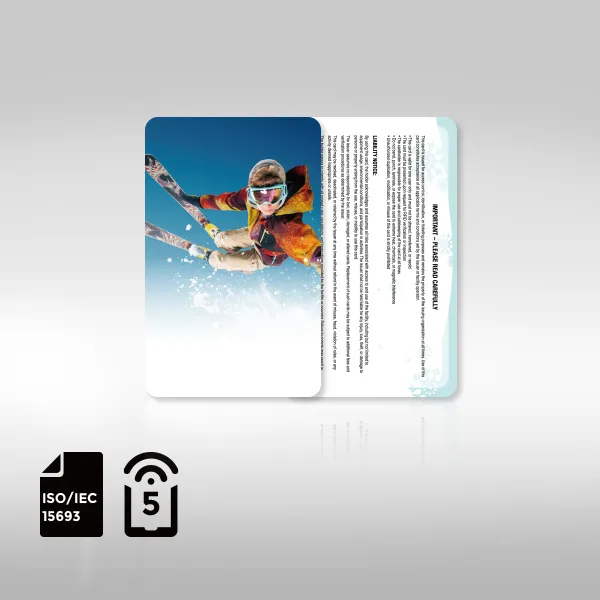
Secondly, RFID tags come in various forms, including cards, tags, wristbands, keychains, and cable ties.
Cards: Often used for identity verification and access control systems.
Tags: Fit various product identifications.
Wristbands: Widely used for events and medical situations.
Key fobs: Portable and fit well for access control and tracking personal items.
Table ties: Useful for fixing and identification in industrial settings.
Choose the Right RFID Reader
RFID readers are key components of RFID systems, and several aspects need consideration when selecting them, including installation methods and performance parameters.
RFID readers can be handheld, fixed, or desktop-mounted.
Handheld readers: Portable, flexibility-suited devices typically used for inventory management and onsite audits. Users can quickly scan items to achieve real-time inventory updates.
Fixed readers: Installed in specific spots, like doorways or conveyor belts, and work best for scanning large volumes of items. They’re often found in logistics centers and production lines, capable of quickly reading RFID tags across many goods.
Desktop readers: Fit in office or small business environments, usually employed in scenarios requiring manual scanning. They’re easy to operate, making them great for small businesses and particular fields, like library management.
We should focus on the performance parameters of RFID readers. Including:
Reading range: Choose the right reading distance based on actual needs to ensure that the reader operates effectively within the required range.
Anti-interference capability: In complex environments, opt for readers with strong anti-interference performance to ensure data accuracy, especially in metal or liquid environments where specific readers can better identify signals.
Connection method: Ensuring that the reader seamlessly integrates with other systems (like inventory management or ERP) to facilitate rapid data exchange and enhance overall operational efficiency.
Consider System Integration and Technical Support
Implementing an RFID system isn’t just about buying equipment and tags; it also involves integrating the system and providing ongoing support. When selecting an RFID system, make sure you:
Ensure Compatibility with Existing Systems: The RFID system needs to seamlessly integrate with your current IT infrastructure and business processes to maximize efficiency.
Choose Vendors that Provide Technical Support: Pick a supplier who can offer solid technical support and maintenance services to ensure the long-term stability of your system.
Evaluate Costs and Return on Investment (ROI)
Finally, it’s critical to assess the cost of the RFID system against the expected return on investment (ROI). Calculate the total cost of implementing the RFID system, which includes expenses for equipment procurement, installation, training, and maintenance. At the same time, consider the efficiency improvements, cost savings, and increased customer satisfaction the system can potentially provide, and assess the ROI thoughtfully.

Challenges and Solutions for Implementing RFID in Business
Implementing RFID technology can lead to significant efficiency gains and cost savings, but companies may also face a series of challenges in real-world operations. Here are some common obstacles and their corresponding solutions:
Cost Issues
Challenge: Implementing RFID technology requires a substantial upfront investment, including hardware procurement, software integration, and employee training. These costs can strain companies with limited budgets.
Solution: Before making an investment, companies should perform a thorough cost-benefit analysis to clarify the long-term benefits of the RFID system. Additionally, consider implementing it in phases, spreading the investment over multiple fiscal years to ease short-term financial pressure. Many RFID suppliers also offer flexible financing options, allowing companies to choose payment methods that align with their cash flow situation.
Technical Compatibility
Challenge: When implementing RFID in many companies, existing IT infrastructure may struggle to integrate seamlessly with the new system, leading to poor data flow and reduced operational efficiency.
Solution: Prioritize RFID solutions that are compatible with existing systems. Before implementation, companies should engage in extensive communication with technology suppliers to ensure that the chosen RFID equipment and software can be smoothly integrated. Additionally, consider hiring professional consultants for system evaluation and optimization to ensure smooth technical integration.
Data Security and Privacy
Challenge: RFID systems may face the risk of data theft or misuse during data collection and transmission, especially when personal information is involved.
Solution: Companies should adopt multi-layered security measures, including encrypted data transmission, restricted data access rights, and regular security audits. Additionally, ensure that employees receive relevant security training to enhance data protection awareness across the organization. Compliance with relevant laws and regulations (like GDPR) is also crucial for safeguarding user privacy.
Tag and Reader Performance
Challenge: The performance of RFID tags and readers may be impacted in different environments. For instance, in metal and liquid settings, the reading effectiveness of tags can significantly diminish.
Solution: Select RFID tags and readers that are suitable for specific application scenarios. For metal environments, companies can opt for anti-metal tags to ensure effective reading under complex conditions. For tags needing to be read in liquids, choosing low-frequency or specialized liquid-adapted tags can improve reading performance. Testing the compatibility and performance of different devices will ensure they meet operational needs.
Staff Training and Acceptance
Challenge: Employees’ acceptance and proficiency in using new technologies directly impact the successful implementation of RFID systems. Some employees may lack sufficient knowledge of RFID technology, resulting in improper operation.
Solution: Companies should develop detailed training plans and provide employee training courses on system use and operation to ensure they acquire essential skills. Practical exercises and simulated operations can help boost employees’ confidence. Moreover, it’s important to motivate employees to engage in promoting and optimizing the RFID system, encouraging them to share their experiences and suggestions for improvement to foster team cohesion.
Supply Chain Integration
Challenge: The supply chain involves multiple partners and suppliers at each link, and implementing RFID requires cooperation and collaboration from all parties involved.
Solution: Companies should fully communicate with all supply chain partners to ensure they understand the benefits of the RFID system and are willing to participate in its implementation. Additionally, consider developing industry standards or common agreements so that all relevant parties can utilize RFID technology on a unified platform. By strengthening collaboration and information sharing, the overall transparency and efficiency of the supply chain can be improved.

Conclusion
In summary, RFID technology plays an increasingly vital role in today’s business landscape. From improving operational efficiency and data accuracy to enhancing customer experience and increasing supply chain transparency, RFID provides companies with multiple advantages to distinguish themselves in a competitive market. By understanding the principles and characteristics of RFID, organizations can better leverage this technology to meet ever-evolving market demands.
Industries across the board—such as retail, manufacturing, logistics, and healthcare—can enhance management efficiency, lower operating costs, and boost customer satisfaction by implementing RFID systems. However, when selecting an RFID system, companies must fully consider their own needs, budgets, and potential challenges in the implementation process to ensure successful integration and long-term effective operation of the system.
In the face of a rapidly changing business environment, RFID is not just a tool for improving operational efficiency; it is also a key component of future intelligent transformation. We encourage all businesses to seriously contemplate the application of RFID technology and achieve more efficient management and better customer service through innovation and technology-driven approaches. Embracing RFID actively in this era of ever-evolving technology will bring unprecedented opportunities and success to your organization.

FAQs
What is RFID and How is it Used in Business?
RFID is a technology that uses wireless signals to transmit data. It primarily tracks and identifies items through radio frequency identifiers and RFID tags embedded in those items. In a commercial setting, RFID is widely applied in areas such as inventory management, supply chain tracking, and asset management. The basic working principle involves RFID tags embedded in items that contain unique identifiers and relevant information, which can communicate with backend systems through RFID readers. This technology enables companies to monitor the location and status of items in real time, thereby improving operational efficiency, reducing human errors, and allowing for quick responses to changes in market demand.
What are the Advantages of RFID in the Retail Industry?
The application of RFID technology in the retail industry brings significant advantages. Firstly, it can greatly optimize inventory management. By updating inventory data in real time, it helps retailers accurately grasp their stock levels, thereby reducing the risk of stock-outs and excess inventory. Secondly, RFID technology accelerates the checkout process, allowing customers to complete their shopping quickly without needing to scan items one by one, thus enhancing the shopping experience. Additionally, RFID tags help merchants monitor the movement of goods, reducing the possibility of theft and improving the safety of inventory. Finally, by analyzing RFID data, retailers can gain deeper insights into consumer shopping habits, allowing them to optimize product layouts and promotional strategies, thereby boosting overall sales performance.
How Does RFID Technology Improve Supply Chain Management?
The application of RFID technology in supply chain management significantly enhances operational efficiency and accuracy. Firstly, RFID tags provide real-time tracking capabilities, allowing all parties in the supply chain to obtain location information about items promptly, thereby reducing the risk of transportation delays. Secondly, RFID systems reduce manual input errors and improve data accuracy through automated data collection. Furthermore, RFID’s automatic identification function significantly shortens the time required for operations such as loading, unloading, and inventory counting, thus improving overall efficiency. Finally, the data collected by RFID technology can be used to analyze changes in market demand, helping companies better plan production and inventory, thus reducing costs and improving responsiveness.
What Are the Challenges of Implementing an RFID System?
Despite the many advantages of RFID technology, there are some challenges during the implementation process. Firstly, cost is a major issue. Although the price of RFID technology is decreasing, the initial investment is still high, which includes the costs of purchasing and installing tags, readers, and related software. Secondly, integrating RFID systems can be complex, and companies may need to invest significant time and technical resources to integrate RFID systems with existing enterprise resource planning (ERP) or other management systems. Additionally, the wireless transmission of RFID tags raises data security and privacy issues, necessitating measures to protect sensitive information. Lastly, the technological acceptance of employees and partners is a significant challenge, and the training and cultural adaptation process may impact the effective use of RFID systems.
What Are the Future Development Trends of RFID?
Looking ahead, the development trends of RFID technology in business are quite promising. Firstly, with advancements in technology, RFID tags will become smaller and lighter, making them easier to integrate into various products. Secondly, the combination of RFID and Internet of Things (IoT) devices will enable higher levels of automation and data analysis, making items smarter. Additionally, companies will leverage the data collected by RFID for deeper analytics, further optimizing supply chains, inventory management, and customer experiences. Finally, more unified RFID standards may emerge to encourage interoperability among different systems and devices, improving overall industry efficiency. These trends will drive RFID technology to play an increasingly important role in business.