RFID hotel cards have transformed the way the hospitality industry handles room access, guest security, and overall customer experience. However, like any cutting-edge technology, hotel operators may face certain challenges and queries when integrating RFID systems. If you’re contemplating or have already adopted the RFID hotel card, being aware of these potential issues can help you optimize the system, enhance guest satisfaction, and prevent unnecessary complications. In this article, we will address some of the most common questions regarding RFID hotel cards to ensure you have the necessary insights for implementing or troubleshooting your system.
1. How to Ensure the Security of RFID Cards
Question: Are RFID cards easily copied or cracked?
Answer: RFID cards are generally very secure, especially when paired with advanced encryption technology. However, the level of security largely depends on the system supporting the cards. To fend off unauthorized access, it’s wise to select RFID cards that employ dynamic encryption and utilize a secure key management protocol. This way, even if a card is lost or stolen, it cannot be easily copied or tampered with. Additionally, investing in an RFID system that incorporates anti-cloning and anti-tampering functions is also crucial in bolstering security.
To help hotels enhance the security of RFID cards, here are two secure options that I recommend. These cards are widely used in high-end hotels and can effectively safeguard hotel systems:
MIFARE DESFire® EV2
Encryption technology: The MIFARE DESFire® EV2 supports multi-layer encryption and dynamic key management, generating a new encryption key for each access. This means that even if the card is stolen or copied, the attacker cannot reuse the same credentials during future attempts, significantly improving system security.
Anti-cloning function: The card includes built-in anti-tampering and anti-cloning mechanisms that effectively prevent unauthorized access and protect hotel facilities.
Applicable scenarios: Ideal for high-end hotels and resorts that require heightened security, especially in environments needing special protection for VIP guests.

MIFARE Plus®
Encryption technology: MIFARE Plus® utilizes AES-128 encryption technology, which offers robust anti-tampering capabilities. Its design ensures that card information remains secure even under complex attack scenarios.
Flexible security levels: It supports multiple security tiers, allowing hotels to set different encryption and access rights based on specific needs. This is particularly useful for hotels planning large-scale deployment while keeping costs in check.
Applicable scenarios: Suitable for mid-to-high-end hotels, especially those looking to manage expenses without sacrificing security.
Both of these cards not only deliver strong encryption but also boast advanced security features such as anti-tampering and anti-copying. They are perfect for hotels aiming to secure their systems while still providing convenient services. By adopting these cards, hotels can effectively mitigate security vulnerabilities, foster customer trust, and enhance the overall guest experience.
2. What if Our RFID Card Is Not Compatible with the Existing Door Lock System?
Question: Will the RFID card be compatible with our existing door lock system? What changes are required?
Answer: Compatibility is a common concern when transitioning to an RFID system. Many modern RFID cards are designed to integrate smoothly with a variety of door lock systems. However, if your current door locks are outdated, you may need to replace or upgrade the hardware to support RFID technology. It’s always a smart move to check compatibility with the supplier before making any purchases. By communicating with the RFID supplier to ensure hardware compatibility and selecting the appropriate system upgrade or replacement solution, you can facilitate a hassle-free transition.
If budget constraints prevent you from upgrading the existing door lock system, you might consider using the RFID Classic series card. This card’s advantage lies in its compatibility with older lock systems and its lower cost, making it ideal for hotels that want to implement RFID technology without changing their door locks. Although its encryption protection may not be as robust as that of modern cards, it can still provide effective security for smaller hotels or those with basic safety requirements.
However, for long-term operation and improved customer experience, it is advisable for hotels to consider replacing the existing door lock system as soon as feasible and to upgrade to a mainstream RFID door lock solution available on the market. This approach will not only enhance the hotel’s security but also deliver a more convenient experience for customers. Furthermore, over time, the upgraded system will save the hotel on maintenance costs and significantly contribute to enhancing the brand image and customer satisfaction.
3. How Long Is the Replacement Cycle of RFID Cards?
Question: How long is the service life of RFID cards? Do we need to replace them frequently?
Answer: The service life of RFID cards typically ranges from 1 to 3 years, depending on factors like usage frequency, card quality, and environmental conditions. If a card becomes damaged or worn—for instance, if it suffers from scratches or bending—it will need to be replaced. To manage costs effectively, hotels can establish a regular card replacement program. Additionally, training employees to handle RFID cards properly can help extend the cards’ lifespan.

To enhance the hotel’s card experience, we recommend utilizing our BioPoly™ Stone RFID hotel cards. This card is more durable against wear and tear compared to traditional PVC cards, making it particularly suitable for high-usage environments. The main component of BioPoly™ Stone is calcium carbonate. This eco-friendly material not only lessens environmental impact but also increases the card’s durability. In comparison to standard PVC cards, BioPoly™ Stone cards perform exceptionally well in low-temperature settings, delivering stable performance in chilly areas such as ski resorts and ice rinks. PVC cards often become brittle in low temperatures, leading to functionality issues and potential inconvenience for users.
Overall, opting for BioPoly™ Stone RFID cards can significantly reduce environmental damage to the cards, extend their service life, and provide a more sustainable and durable solution for hotels. If you’re interested in learning more about this card, feel free to click on the video below.
4. What If the RFID Card Is Lost or Damaged?
Question: What should be done if the guest loses or damages the RFID card?
Answer: If an RFID card is lost or damaged, the hotel should ensure a swift replacement process. Front desk staff can immediately cancel the old card and issue a new one to resolve the issue. To help minimize frequent card loss, the hotel could also offer a backup solution that leverages the NFC function of mobile phones as an alternative. Additionally, managing the issuance and cancellation records of cards through the hotel management system (PMS) can more effectively keep track of card circulation.
To guarantee that the hotel provides guests with a quick solution for lost or damaged RFID cards, it’s crucial to not only streamline the card replacement process but also enhance the overall experience through self-service options, flexible alternatives, and effective customer communication. These measures will not only alleviate guest headaches but also boost their confidence in hotel services, ultimately fostering brand loyalty and yielding better customer reviews and an improved market reputation for the hotel.
5. Can RFID Cards Be Integrated with Other Hotel Systems?
Question: Can RFID cards be integrated with other hotel systems?
Answer: RFID technology boasts extremely high integration capabilities, allowing it to connect with various hotel systems seamlessly. This integration goes beyond just room key functions; it can extend to payment processing, control of room facilities, access to gyms, parking management, and much more. By incorporating RFID cards with the hotel management system (PMS), hotels can achieve more efficient operations, enhance customer experiences, and simplify their management processes.
When selecting an RFID card, consider the following key factors to ensure smooth integration with hotel systems:
Memory Capacity and Function Support
Different RFID cards come with varying memory capacities, which directly impacts the number of functionalities they can support. For instance, if your hotel system requires multiple features (like access control, payment, gym access, etc.), it’s essential to choose an RFID card with adequate memory to allocate sufficient storage space for each function.

Compatibility and Scalability
As technology continuously evolves, hotels may need to upgrade or expand their existing systems. Hence, selecting an RFID card with good scalability is crucial to ensure that it can support new functions or systems in the future without frequent replacements.
Security
Given that hotel systems handle a significant amount of sensitive data, the security of RFID cards is paramount. Opting for cards with high-security encryption technology can help prevent data breaches and unauthorized access, safeguarding customer information effectively.
Compatibility with Existing Hardware
When choosing an RFID card, it’s important to verify its compatibility with current hardware devices, such as door lock systems and payment systems. If the existing hardware is outdated, upgrading or replacing it may be necessary. Make sure to communicate with the RFID supplier to ensure that the card you select will integrate smoothly with the existing system.
6. Are RFID Eco-Friendly Cards a Trend in the Future?
Question: Will RFID eco-friendly cards become a trend in the hotel industry in the future?
Answer: With the growing global awareness of environmental issues and the commitment to sustainable development goals, eco-friendly RFID cards are increasingly capturing the attention of hotel owners and consumers alike. Traditional RFID cards are typically made from PVC (polyvinyl chloride), which poses environmental challenges during both production and disposal. As a result, many hotels are shifting toward RFID cards crafted from environmentally friendly materials to align with their sustainability strategies and cater to the rising demand for eco-conscious solutions.
Currently, there are various eco-friendly RFID cards available on the market, made from recyclable, biodegradable, and even bio-based materials, such as plant fibers, stone, wood, and environmentally friendly plastics. Examples include BioPoly™ Stone, BioPoly™ Vinyl, and cards sourced from wood obtained through sustainable forestry practices, which are becoming increasingly common. These materials not only diminish the environmental impact during production but also offer greater durability, effectively reducing resource consumption over the long term.
Moreover, these eco-friendly cards also support a variety of designs, which can perfectly reflect the style and positioning of the hotel. For example, our wooden RFID hotel card allows you to choose from 9 different types of wood. Each type of wood has a different feel and visual effect, making it luxurious and unique. It even accurately ensures that each card is unique, leaving a deep impression on your guests.
7. What If the RFID System Fails?
Question: What should the hotel do if the RFID system fails and guests cannot open the door with their cards?
Answer: Although RFID systems are typically reliable, system failures can occasionally occur. To minimize the impact on guests, hotels should have emergency plans and solutions in place in advance. Here are several suggestions to help hotels manage emergencies effectively while maintaining a positive guest experience during RFID system failures:
Remote Unlocking via the Back-End Management System
Modern hotels often integrate their RFID door lock systems with the hotel’s back-end management system (PMS). In the event of an RFID system failure, hotel staff can utilize this system to remotely unlock the doors. Staff can access the control interface of the hotel management platform and quickly execute the necessary commands to unlock the door. This method is efficient and ensures that guests can access their rooms even if their RFID cards are not functioning properly.
Emergency Interface and Manual Unlocking
Some high-end or customized RFID door lock systems are equipped with emergency interfaces that allow staff to manually unlock doors in the event of a system failure. These interfaces may include USB ports, wireless remote control devices, or specialized unlocking tools. Staff can use these methods to unlock doors manually, minimizing delays for guests.

Provide Convenient Manual Assistance
Hotels should ensure that there is always a staff member on duty to respond swiftly to any issues related to the RFID system. Having personnel available not only facilitates a smooth check-in during system failures but also enhances overall service quality.
Notify Guests in Advance and Provide Information
To mitigate inconvenience for guests, hotels can proactively inform them—via email, SMS, or self-service check-in devices—about any potential short-term system maintenance or failures, along with details on emergency procedures. This ensures that guests are aware of possible issues and prepared for the hotel’s emergency response.
Establish a Rapid Recovery Mechanism
Hotels should establish clear emergency communication channels with their RFID system suppliers to ensure technical support can provide quick responses and restore the system to normal operation swiftly in case of failure. Once the system is back online, it’s crucial to quickly update the status of all cards through the property management system (PMS) to maintain a seamless guest experience.
Improve Customer Trust and Satisfaction
The speed and effectiveness of the hotel’s response to failures play a critical role in guest trust and satisfaction. Through transparent communication and efficient resolution strategies, hotels can showcase their professionalism and emergency preparedness to guests. Furthermore, after the system has been restored, offering small gifts or promotional services as an apology can help enhance customer loyalty.
8. Do RFID Cards Require Regular Cleaning and Maintenance?
Question: Do RFID cards require regular cleaning or maintenance?
Answer: RFID cards don’t require complex maintenance, but proper care is essential to ensure their longevity and optimal performance. Hotels can extend the life of RFID cards through the following practices:
Avoid Excessive Friction and Impact: While RFID card chips and antennas are generally robust, frequent friction or impacts can wear down the card’s surface and impair reading and writing performance. When storing cards, especially in pockets or wallets, it’s best to place them in a secure location to prevent physical damage.
Keep the Card Clean: Maintaining cleanliness is vital for ensuring the normal functioning of the card’s chip. Avoid exposing the card to water, oil, or chemicals. If cleaning is necessary, use a clean, soft cloth to gently wipe the card.
Check the Card Regularly: Hotels should routinely inspect RFID cards for visible damage, scratches, or functional issues. Regular checks and timely updates can help ensure that every guest enjoys a seamless experience.
Staff Training: Employees should be trained on the proper handling and storage of RFID cards. This reduces the risk of damage during the issuance, recycling, or replacement processes, promoting better care of the cards.
By implementing these straightforward maintenance measures and conducting regular inspections, hotels can maximize the lifespan of RFID cards and minimize operational disruptions caused by damaged or expired cards.
9. How to Manage the Issuance and Recycling Process of RFID Cards?
Question: How to efficiently manage the issuance and recycling of RFID cards?
Answer: Efficiently managing the issuance and recycling process of RFID cards is essential for enhancing hotel operational efficiency. Here are some key steps that can help hotels ensure effective management of RFID cards:
Use a Property Management System (PMS) for Tracking
Implement a modern property management system (PMS) to record the issuance and recycling of each RFID card. The system should automatically log details such as the card number, issuance time, guest information, and return time every time a card is issued or recycled. This creates a clear tracking record for each card, reducing the risk of loss or retention.
Establish Clear Operating Procedures
Develop standardized procedures for issuing and recycling cards to ensure all employees are aware of the necessary steps. When issuing a card, staff should verify guest information and log card issuance. During recycling, they should ensure that cards are collected promptly and that the system is updated with the current status. This practice helps minimize human errors and ensures proper management of each card.

Set Up Spare Cards and Quick Cancellation Functions
Maintain a supply of spare RFID cards to address emergencies such as card loss or damage. If a guest loses their card, front desk staff can quickly issue a new one while immediately canceling the lost card through the system to prevent unauthorized use or abuse.
Regular Inspections and Audits
Conduct regular inventory checks and audits of RFID cards to confirm that the number of issued and returned cards aligns. This allows the hotel to promptly identify any potential loss or issues with card returns so appropriate remedial measures can be taken.
By implementing these steps, hotels can streamline the issuance and recycling of RFID cards, enhance security, and improve overall guest satisfaction.
10. What Are the Advantages of RFID Cards Over Traditional Keys?
Question: Why switch from traditional metal keys to RFID cards?
Answer: As hotel management and customer needs evolve, RFID cards are increasingly becoming the preferred locking solution for hotels. Compared to traditional metal keys, RFID cards offer enhanced security, convenience, and operational efficiency. Here are several significant advantages of RFID cards over traditional keys:
Improved Security
RFID cards offer robust security features that make them more difficult to duplicate or tamper with than traditional metal keys. Each RFID card comes with a unique identifier and encryption technology. If a card is lost or stolen, it can be instantly deactivated through the hotel management system, preventing unauthorized access to rooms. This greatly mitigates security risks and makes hotel operations safer and more reliable.
Enhanced Convenience
Traditional metal keys are prone to being lost, damaged, or forgotten, while RFID cards provide a more user-friendly experience. Guests can simply swipe their cards upon check-in, check-out, or room entry without any complicated processes, eliminating the hassle of managing physical keys. Furthermore, RFID cards can integrate multiple functions, such as electronic payment for dining or amenities, allowing guests to use a single card for various services, thus enhancing their overall experience.
System Integration and Additional Functions
RFID cards serve more than just as “keys.” They can be seamlessly integrated with various hotel systems, including the property management system (PMS), payment systems, and room control systems, which allows for additional functionalities. For instance, RFID cards can be used for:
- Accessing hotel amenities like gyms, swimming pools, and spas
- Making payments at the restaurant or settling room charges
- Controlling smart devices like lighting and air conditioning in the room
These integrated functionalities not only enhance hotel operational efficiency but also enrich the overall guest experience.
Enhanced Customer Experience and Brand Image
RFID cards project a modern image for hotels, showcasing their technological prowess and forward-thinking approach. For customers who increasingly prioritize convenience and security, RFID cards can lead to greater satisfaction and improved loyalty. By offering this smart solution, hotels can create a more enjoyable experience for guests while bolstering their competitive edge in the market.
Reduced Manual Intervention and Improved Operational Efficiency
The RFID system is highly automated, which lowers the workload for the front desk and logistics staff. For example, during check-in, the system can automatically manage the issuance of RFID cards without manual input, significantly boosting efficiency and minimizing human errors. The system also automatically tracks the issuance, usage, and recycling of each card, enabling hotel management to fine-tune operations and monitoring.
In summary, transitioning from traditional metal keys to RFID cards can yield substantial benefits for hotels in terms of security, convenience, and overall operational effectiveness.
Conclusion: Maximizing the Use of RFID Hotel Cards
RFID technology is revolutionizing hotel management and enhancing the guest experience in ways previously unimagined. By effectively addressing common challenges, optimizing management processes, and selecting the appropriate RFID system, hotels can not only increase operational efficiency but also significantly elevate the guest experience and security levels. Whether the focus is on bolstering security, enhancing convenience, or offering smarter services, RFID cards are undeniably a crucial asset for the advancement of the hotel industry.
If you’re considering upgrading or optimizing your hotel’s RFID solution, our website (www.rfidcard.com) offers high-quality, customized RFID cards designed to meet the unique needs of all hotel types. From luxurious high-end establishments to small and medium-sized hotels, our RFID solutions can help you create a more efficient, secure, and satisfying environment for your guests. Visit our website today to learn more about RFID cards and take the first step toward incorporating this cutting-edge technology into your hotel operations.
Recommended Products
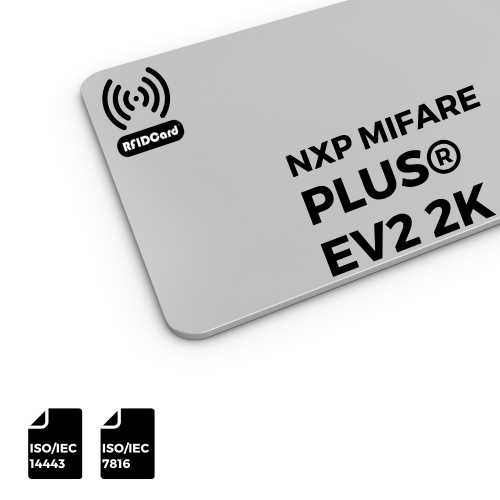
RFID Card NXP MIFARE Plus® EV2 2K

Blank or customized printing RFID card with a choice of dimensions available. The MIFARE Plus® EV2 is Common Criteria EAL5+ security certified for smart card IC products.