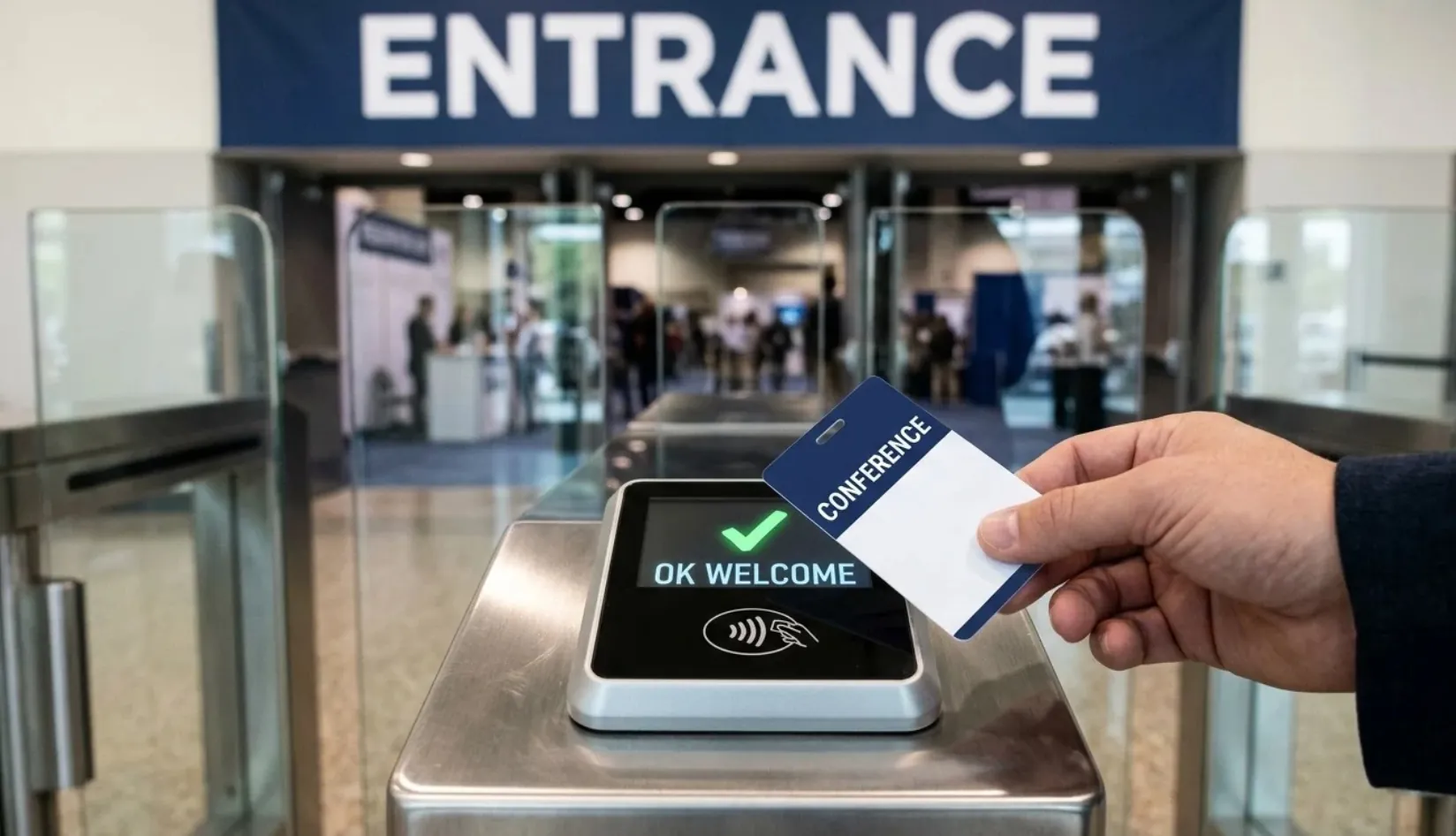

In recent years, RFID (Radio Frequency Identification) technology has rapidly developed and found widespread application in various fields, especially in event management, hotel services, and transportation. This article will introduce the working principles of RFID wristbands, their application scenarios, and a case study of how Royal Caribbean International uses this technology to enhance passenger experience.
What is an RFID Wristband?
An RFID wristband is a wearable device embedded with a radio frequency identification chip and antenna, which communicates wirelessly with a reader.
How RFID Wristbands Work
Initialization: Every RFID tag is assigned a unique ID during the manufacturing process.
Signal Transmission: When the RFID wristband approaches the reader, the antenna sends out radio waves, activating the chip.
Data Transmission: The chip receives the signal and sends the stored data back to the reader.
Verification and Processing: The reader receives the data, verifies it, and processes it to enable functions such as identity verification or payment.
Common Application Scenarios of RFID Wristbands
Music Festivals and Large Events: RFID wristbands are used for quick entry, cashless payments, and visitor data collection, greatly enhancing the efficiency and security of events.
Sports Events: Used to manage audience entry, control access, and prevent ticket fraud.
Theme Parks and Amusement Parks: Visitors can use RFID wristbands for quick entry, purchasing food and souvenirs, and recording the use of attractions.
Hotels and Residences: Guests can use RFID wristbands to open room doors, make payments, and access specific areas.
RFID Wristband Case Study: Royal Caribbean Cruises
Royal Caribbean International has introduced RFID technology on the cruise ship “Quantum of the Seas”. Its purpose is to provide passengers with an intelligent and technologically sensitive and convenient experience.
Smart Boarding and Cabin Management
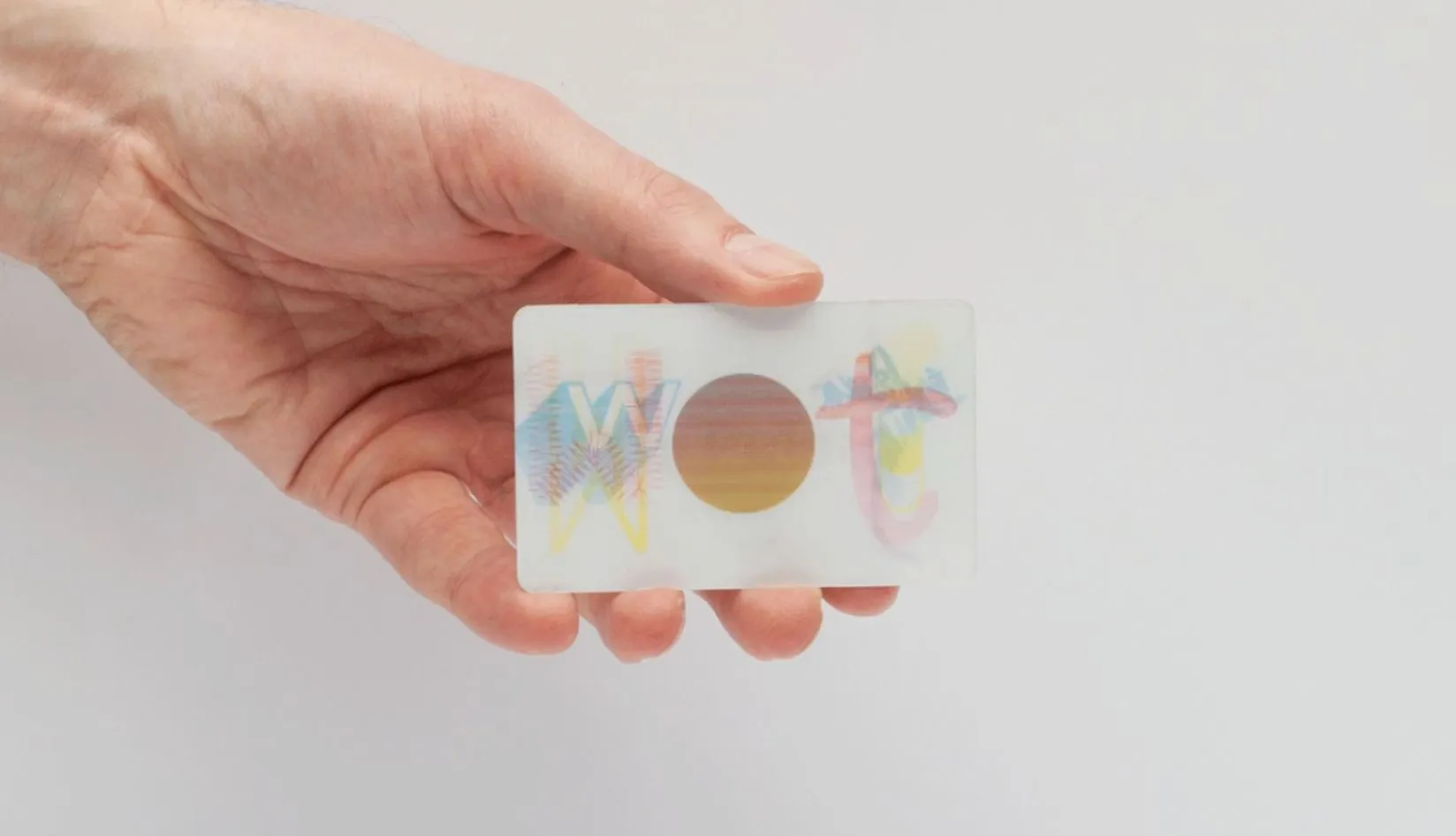
Passengers on the “Quantum of the Seas” use passive high-frequency RFID “WOWband” wristbands to open cabin doors and shop on board. This wristband uses a 13.56 MHz NXP Semiconductors Mifare Ultralight C RFID chip compliant with ISO 14443 standards. Passengers can use the wristbands for cashless payments in restaurants, bars, casinos, and other venues on the ship, significantly simplifying the payment process.
Luggage Tracking
Royal Caribbean equips each piece of luggage with a passive ultra-high frequency RFID tag, allowing passengers to track their luggage in real-time via the Royal iQ app, greatly reducing the risk of lost luggage. Throughout the process of moving luggage from the reception area onto the ship and delivering it to the cabins, staff scan the tags multiple times to update their status, ensuring accurate information.
Fast Boarding and Smart Management
Royal Caribbean aims to reduce passenger boarding time to under 10 minutes. Passengers must create an online boarding pass with an ID photo in advance, scanning the boarding pass ID for a smart boarding process. Staff attach RFID tags to luggage and update their status during loading and unloading, ensuring passengers can track their luggage location in real-time.
Additionally, Royal Caribbean stated that it will continue to use RFID technology on the “Ovation of the Seas” and “Anthem of the Seas.” The continuous development of RFID technology will further expand its application scope and functions. In the future, we can expect more fields to adopt RFID wristbands, such as healthcare, education, and enterprise management, to achieve more efficient and convenient management and services.
Advantages of RFID Wristbands
Enhanced Convenience: Passengers do not need to carry cash or room keys; operations such as payments and unlocking can be done through the wristband.
Increased Security: Each RFID tag has a unique identifier that helps distinguish individual wristbands. When combined with appropriate authentication and access control measures, RFID wristbands can help reduce the risk of unauthorized use.
Data Collection and Analysis: RFID wristbands allow organizers to collect large amounts of data, such as traffic and consumer behavior, helping optimize management and services.
Waterproof Design: RFID wristbands typically have waterproof features, making them suitable for various environments, especially on cruises and water activities.
Sustainability: With increasing environmental awareness, many RFID wristbands use reusable and eco-friendly materials, such as silicone, fabric, synthetic paper, and other biodegradable materials. Some event organizers also recycle wristbands after events to reduce environmental impact.
Conclusion
RFID wristband technology, with its efficient, secure, and convenient characteristics, has become an important tool for event management and access control. Royal Caribbean International’s innovative initiative of introducing RFID wristbands on the “Quantum of the Seas” has not only enhanced passenger convenience but also set a new benchmark for the future development of tech-enabled travel.
If you also want to purchase RFID wristbands, you can visit our professional RFID product website rfidcard.com to buy related products.