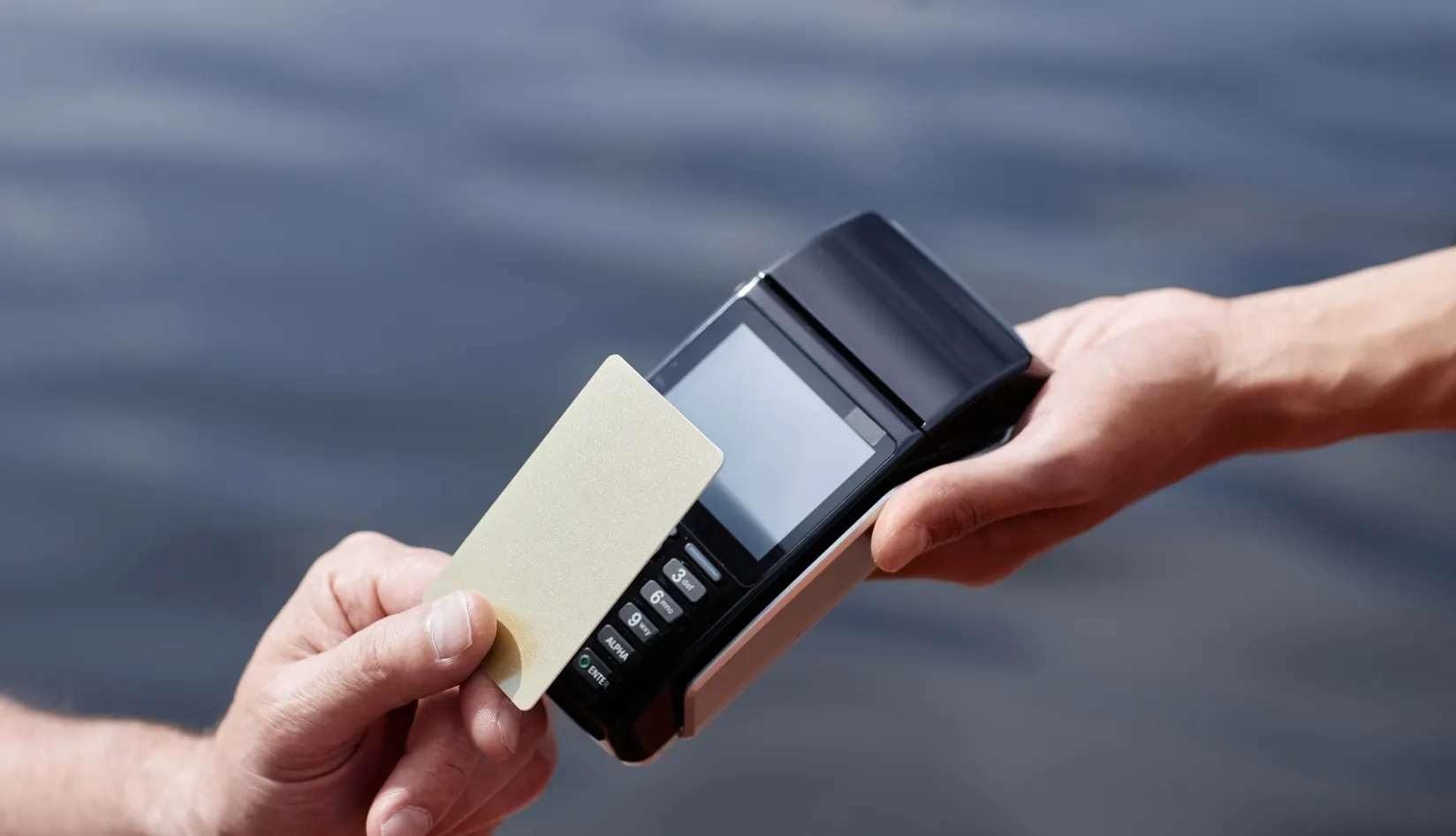
In the rapidly evolving world of business networking, NFC business cards are transforming how professionals share their contact information. Traditional paper business cards are quickly becoming obsolete, giving way to digital, eco-friendly, and highly customizable NFC cards. This guide offers a comprehensive look at the benefits, applications, and future developments of an NFC business card, helping you discover how to enhance your business efficiency with this innovative tool.
1. What Are NFC Business Cards?
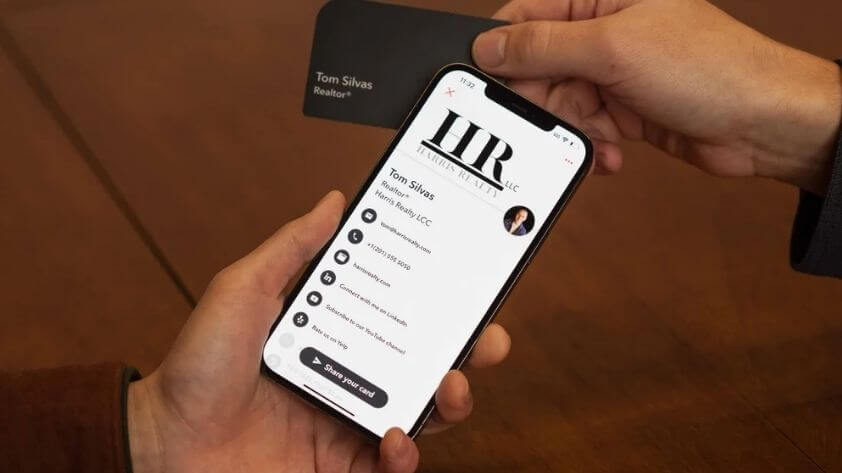
An NFC business card is a physical business card embedded with an NFC (Near Field Communication) chip that enables users to share digital information by simply tapping the card with an NFC-enabled smartphone. Unlike traditional paper business cards, NFC business cards combine physical branding with digital connectivity, creating a faster, smarter, and more interactive way for professionals and businesses to exchange information.
NFC technology is a short-range wireless communication technology that enables compatible devices to exchange data within a few centimeters. It works through high-frequency electromagnetic fields and allows NFC-enabled devices to communicate without physical contact. For a deeper understanding of NFC technology, including its working principles, standards, and common applications, you can explore our [NFC Technology Guide].

Today, NFC technology is widely used in applications such as contactless payments, public transportation, access control, and smart identification. In professional networking, NFC business cards provide an efficient solution for modern information exchange, helping individuals and companies create more convenient and engaging connections.
NFC Business Card at a Glance
| Feature | Description |
| Technology | NFC (Near Field Communication) |
| Frequency | 13.56 MHz |
| Communication Range | Usually within a few centimeters |
| Data Storage | Depends on NFC chip |
| Compatible Devices | iPhone and Android smartphones |
| Main Purpose | Digital identity sharing |
How Does an NFC Business Card Work?
The working principle of an NFC business card is based on communication between the NFC chip embedded inside the card and an NFC-enabled smartphone. The process is simple, fast, and does not require complicated setup or additional hardware.
1. Information Is Programmed into the NFC Chip
During the customization process, digital content is programmed into the NFC chip embedded inside the card. The stored information can be configured according to different personal branding or business requirements.
The NFC chip acts as the bridge between the physical card and digital content, allowing users to connect offline interactions with online experiences.
2. Smartphone Reads the NFC Chip
When an NFC-enabled smartphone is brought close to the card, the phone’s built-in NFC reader detects the chip and retrieves the stored information through short-range wireless communication.
Most modern smartphones, including many iPhone and Android devices, support NFC functionality, making NFC business cards accessible for a wide range of users.
3. Digital Content Is Accessed Instantly
After reading the NFC chip, the smartphone opens the connected digital content, allowing users to access information within seconds.
Compared with traditional business card exchanges, NFC business cards eliminate the need for manual data entry, reduce the risk of typing errors, and provide a smoother networking experience.
2. Key Features of NFC Business Cards
NFC business cards combine NFC technology with customizable card designs, providing a smarter and more flexible way to share digital information. Compared with traditional paper business cards, they offer advanced features that help professionals and businesses create more interactive networking experiences and strengthen their digital presence.
Fully Customizable Design Options
One of the key features of NFC business cards is their high level of customization. Businesses can personalize their cards with different materials, colors, logos, shapes, surface finishes, and printing options to match their brand identity.
Beyond the physical appearance, NFC business cards also allow users to customize the digital content connected to the card. Depending on business needs, the card can link to information such as contact details, company websites, LinkedIn profiles, social media pages, online portfolios, product catalogs, or promotional content.
This combination of physical customization and digital flexibility allows businesses to create branded networking tools that are more dynamic and adaptable than traditional paper business cards.
Multi-Device Compatibility
NFC business cards are designed to work with most modern NFC-enabled smartphones, including many iOS and Android devices. Users can access the stored digital content by simply bringing their smartphone close to the card, without installing additional applications.
This wide compatibility makes NFC business cards suitable for various professional scenarios, including business meetings, conferences, trade shows, sales presentations, and customer interactions. The simple tap-to-connect experience helps reduce barriers during information exchange.
Secure Data Sharing
Compared with traditional paper business cards, NFC business cards provide a more controlled way to share digital information. Since NFC communication works within a very short range, users have greater control over when and how the card is scanned.
For applications that require enhanced protection, businesses can select NFC chips with advanced security features, such as encrypted authentication capabilities, to improve data protection and reduce the risk of unauthorized copying or modification.
Digital Content Management and Analytics
When connected with digital platforms, NFC business cards can provide valuable insights into user engagement. Businesses can monitor interactions such as card scans, link visits, and content performance to better understand networking results.
These insights allow companies to optimize their digital content, improve customer engagement strategies, and create more effective networking experiences. Instead of being a static information tool, an NFC business card can become a flexible connection point between physical interactions and digital marketing.
Looking for a custom NFC business card? Explore our design options and NFC card solutions to create a card that fits your brand.
3. Why Use an NFC Business Card?
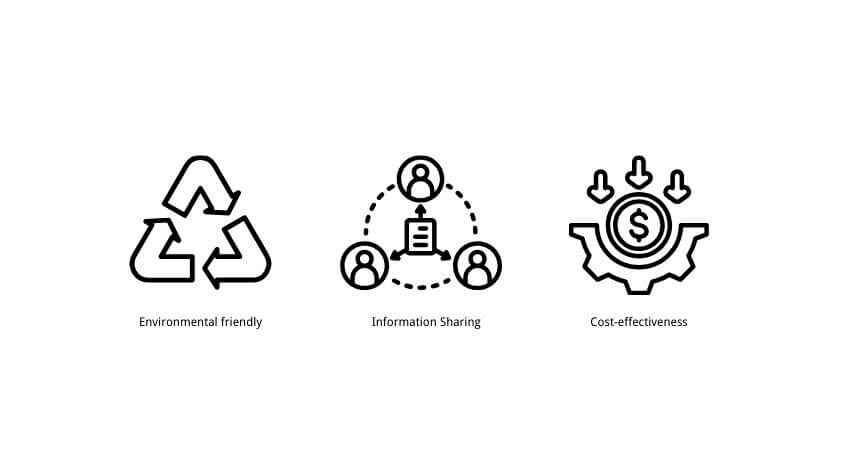
From reducing replacement costs to supporting sustainability goals, NFC business cards provide a smarter solution for modern business communication.
Lower Long-Term Costs
Although NFC business cards typically require a higher initial investment compared with traditional paper cards, they can help reduce recurring costs over time.
Paper business cards need to be redesigned and reprinted whenever contact information, job titles, company details, or branding elements change. For businesses with multiple employees or frequently updated information, these repeated printing costs can accumulate quickly.
NFC business cards reduce the need for frequent replacements by allowing connected digital information to be updated without producing new physical cards. This makes them a cost-effective option for businesses looking for a more flexible networking solution.
Key benefits:
- Reduce repeated printing expenses
- Minimize waste caused by outdated information
- Improve long-term value from a reusable business card
Faster and More Efficient Networking
In professional networking situations, every interaction matters. Traditional business card exchanges often require recipients to manually enter information or organize physical cards after meetings.
NFC business cards simplify this process by allowing users to share information through a quick tap with an NFC-enabled smartphone. This creates a smoother connection experience and helps reduce friction during face-to-face interactions. Learn how businesses are using NFC business cards to transform networking experiences.
For business professionals attending conferences, exhibitions, sales meetings, or client events, NFC technology helps make networking faster, easier, and more efficient.
Key benefits:
- Speed up information exchange
- Reduce manual input errors
- Create a smoother networking experience
Build a Modern and Professional Brand Image
A business card is often the first impression a company or professional makes. In competitive industries, the way information is presented can influence how customers and partners perceive a brand.
NFC business cards combine modern technology with professional design, helping businesses demonstrate innovation, attention to detail, and a forward-thinking approach.
Whether used at trade shows, business meetings, or customer presentations, a well-designed NFC business card can help companies create a memorable impression and stand out from traditional networking methods.
Key benefits:
- Showcase innovation and professionalism
- Strengthen brand recognition
- Create a memorable first interaction
Deliver More Flexible and Personalized Experiences
Traditional paper business cards are limited by the amount of information that can be printed on a small surface. NFC business cards provide greater flexibility by connecting physical cards with digital experiences.
Businesses can create more personalized networking experiences by linking their cards to customized digital content that supports different communication and marketing needs.
As business information changes over time, connected digital content can also be adjusted without redesigning the physical card, allowing the business card experience to evolve with the brand.
Key benefits:
- Extend beyond traditional printed information
- Create customized digital experiences
- Adapt networking materials as business needs change
Support Sustainability Goals
As more companies focus on sustainable business practices, reducing unnecessary printing and material waste has become an important consideration.
NFC business cards can help reduce the need for repeated paper card production by allowing digital information to be updated while keeping the same physical card. This makes them a practical option for businesses looking to minimize printing waste and support sustainability initiatives.
For companies with ESG or CSR goals, NFC business cards can also demonstrate a commitment to adopting smarter and more environmentally conscious business solutions.
Key benefits:
Align brand communication with environmental goals
Reduce paper consumption
Support sustainable business practices
4. Types of NFC Business Cards
NFC business cards can be categorized based on two main factors: card materials and NFC chip options. The right combination depends on your branding requirements, desired features, security needs, and budget.
Types of NFC Business Cards by Material
PVC NFC Business Cards
PVC NFC business cards are the most common option due to their durability, affordability, and excellent printing performance.
They support various customization options, including full-color printing, logos, special finishes, and different surface effects. Their professional appearance and cost-effectiveness make them widely used for corporate networking, sales teams, and everyday business interactions.
Best for:
- Corporate business cards
- Sales and marketing teams
- Large-volume custom orders
Paper NFC Business Cards
Paper NFC business cards combine traditional paper materials with embedded NFC technology, offering a lightweight and more sustainable alternative to plastic cards.
They provide the familiar feel of traditional business cards while enabling digital connectivity through NFC. This makes them suitable for professionals who prefer a natural texture or eco-conscious branding approach.
Best for:
- Personal branding
- Creative industries
- Eco-conscious businesses
Wooden NFC Business Cards
Wooden NFC business cards provide a unique natural appearance and premium tactile experience. The distinctive grain patterns and texture help businesses create a memorable first impression.
They are often chosen by brands that want to emphasize craftsmanship, sustainability, and a strong visual identity.
Best for:
- Luxury brands
- Creative professionals
- Premium networking events
Eco-Friendly NFC Business Cards
Eco-friendly NFC business cards use sustainable materials to reduce environmental impact while maintaining digital functionality.
Depending on the supplier, these cards may use materials such as recycled paper, biodegradable materials, or bio-based alternatives. They are a suitable choice for businesses that want their physical marketing tools to align with sustainability goals.
Best for:
- Green brands
- Sustainability-focused companies
- ESG-oriented businesses
Types of NFC Business Cards by NFC Chip
The NFC chip is one of the most important components of an NFC business card because it determines storage capacity, compatibility, and available security features.
For most business card applications, NFC Forum Type 2 chips are commonly used because they provide reliable smartphone compatibility and sufficient memory for digital business card applications.
NTAG213 NFC Business Cards
NTAG213 is one of the most widely used NFC chips for business cards. It provides enough memory for basic digital information sharing, such as contact details, website links, and online profiles.
Best for:
- Standard NFC business cards
- Personal networking
- Cost-effective solutions
NTAG215 NFC Business Cards
NTAG215 provides larger memory capacity compared with NTAG213, making it suitable for business cards that need to store more digital content.
It is a good option for users who want additional flexibility while maintaining broad smartphone compatibility.
Best for:
- More detailed digital profiles
- Marketing applications
- Professional networking
NTAG216 NFC Business Cards
NTAG216 offers the largest memory capacity among the common NTAG21x series used for NFC business cards.
It is suitable for applications requiring more data storage or more complex digital experiences.
Best for:
- Advanced digital business cards
- Richer content connections
- Premium NFC card solutions
NTAG424 DNA NFC Business Cards
For businesses that require enhanced security, NTAG424 DNA provides advanced protection features, including AES-128 encryption and secure authentication capabilities.
Compared with standard NFC chips, it helps protect against cloning risks and is suitable for applications where authenticity and trust are important.
Best for:
- Premium corporate cards
- Secure identity applications
- Brand authentication scenarios
How to Choose the Right NFC Business Card?
The best NFC business card depends on your specific requirements:
- PVC cards → Best balance of cost, durability, and customization
- Paper or eco-friendly cards → Better for sustainability-focused branding
- Wooden cards → Ideal for premium and creative designs
- NTAG213/215/216 → Suitable for most digital business card applications
- NTAG424 DNA → Recommended when enhanced security is required
For more details on how to select the right NFC business card, check our guide: [Best NFC Business Cards: Affordable, Customizable, and Ready to Ship].
5. How NFC Business Cards Compare with Traditional Business Cards
The following comparison highlights the key differences between NFC business cards and other common business card formats.
Quick Comparison Table
| Feature | NFC Business Card | Traditional Physical Business Card | Digital Business Card | QR Code Business Card |
|---|---|---|---|---|
| Information Storage | Digital information stored through an embedded NFC chip | Printed information only | Information stored on online platforms or apps | Information accessed through a QR code link |
| Sharing Method | Tap the card with an NFC-enabled smartphone | Hand the card directly to another person | Share through apps, links, or digital profiles | Scan the QR code with a smartphone camera |
| Internet Requirement | Usually no internet connection is required for NFC reading | No internet required | Usually requires internet access to open digital content | Requires internet access to load linked content |
| Update Flexibility | Digital content can be updated without replacing the physical card (depending on setup) | Requires reprinting when information changes | Easy updates through online platforms | Easy updates by changing the linked content |
| Physical Experience | Provides a tangible card combined with digital interaction | Fully physical | No physical card required | Can be physical or digital depending on format |
| Content Capability | Supports interactive digital experiences and online connections | Limited to printed text and graphics | Supports rich digital content through platforms | Depends on the linked webpage or profile |
| User Experience | Fast, interactive, and memorable | Simple and familiar | Convenient for online networking | Easy to use but requires scanning |
| Brand Impression | Modern, innovative, and technology-focused | Traditional and professional | Digital-first and flexible | Practical but less distinctive |
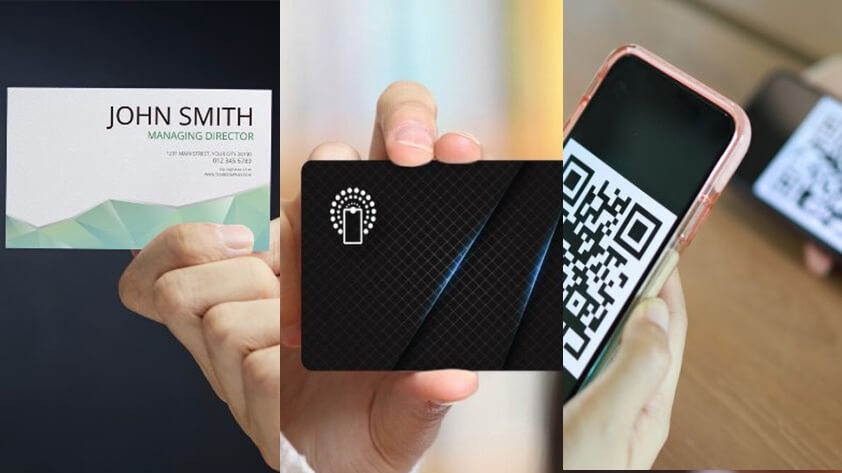
NFC Business Card vs. Traditional Physical Business Card
Traditional physical business cards have been the standard method for professional networking for decades. They are simple, affordable, and familiar to almost everyone.
However, traditional physical cards have several limitations. The information printed on the card is fixed, meaning any changes to contact details, job titles, company information, or branding require a new batch of cards. They also cannot provide interactive experiences beyond the printed design.
NFC business cards offer a more flexible alternative by combining the personal touch of a physical card with digital connectivity. Users can maintain the traditional experience of exchanging a card while providing access to dynamic digital content.
Key differences:
- Traditional physical cards provide static printed information, while NFC cards connect users to digital content.
- Traditional physical cards need replacement after information changes, while NFC card content can often be updated digitally.
- NFC cards create a more interactive networking experience compared with traditional printed cards.
NFC Business Card vs. Digital Business Card
Digital business cards provide a convenient way to share information through online profiles, apps, or web-based platforms. They are popular among professionals who primarily network online or work remotely.
However, digital business cards depend on digital access methods, such as opening a link, using an app, or scanning a QR code. In face-to-face situations, some users may still prefer having a physical card to exchange.
NFC business cards bridge the gap between physical and digital networking. They provide the familiarity of a traditional card while allowing users to instantly connect with digital information through a simple tap.
Key differences:
- Digital business cards are fully online, while NFC cards combine physical and digital experiences.
- NFC cards create a more personal interaction during face-to-face networking.
- Digital business cards rely more heavily on platforms, apps, or internet access.
NFC Business Card vs. QR Code
QR codes have become a popular way to share digital information because they are simple, low-cost, and easy to generate. A QR code printed on a business card allows users to access online content by scanning it with a smartphone camera.
However, QR code-based business cards require users to open a camera application and manually scan the code. The experience can also depend on the visibility, size, and quality of the printed QR code.
NFC business cards provide a more seamless interaction by allowing users to access connected information with a simple tap. This creates a faster and more premium experience, especially in professional networking environments.
Key differences:
- NFC cards use tap-to-connect technology, while QR codes require scanning.
- NFC provides a smoother interaction experience during business exchanges.
- QR codes are cost-effective, while NFC cards offer greater customization and a more advanced brand experience.
6. How to Create an NFC Business Card
Creating an NFC business card involves several key steps, from selecting a suitable supplier to finalizing the card design and programming requirements. A clear process helps businesses create NFC cards that match their branding, functionality, and application needs.
6.1 Choose a Reliable NFC Business Card Supplier
The first step is selecting a supplier that can provide reliable NFC card manufacturing and customization services.
A professional NFC business card supplier should be able to support:
Different card materials and designs
Multiple NFC chip options
Custom printing and finishing
NFC programming and testing
Quality control and production support
Choosing an experienced manufacturer helps ensure consistent card quality, reliable NFC performance, and smoother customization.
6.2 Define Your NFC Business Card Requirements
Before production, businesses should determine their specific requirements, including:
Card material and appearance
Required NFC functionality
Digital content to be connected
Order quantity
Budget expectations
Clear requirements allow suppliers to recommend the most suitable NFC chip, card material, and production solution.
6.3 Design Your NFC Business Card
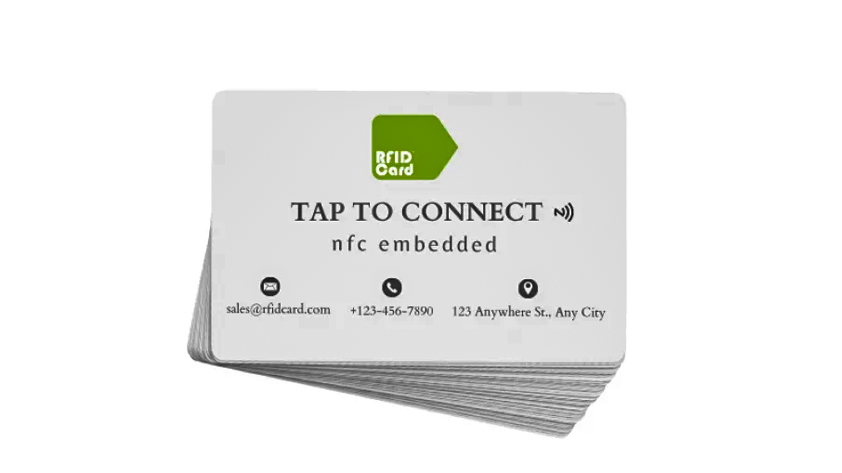
The design process includes both the physical appearance and digital experience.
Businesses can customize elements such as:
Logo and brand identity
Colors and printing style
Surface finish
Card shape and thickness
Digital content connected to the NFC chip
A well-designed NFC business card should represent the brand while providing a smooth user experience.
6.4 Program and Test the NFC Business Card
After production, the NFC chip needs to be programmed with the required digital information.
Depending on the order quantity, programming can be completed through:
Smartphone NFC writing apps for small quantities
Professional encoding equipment for bulk production
Before delivery, NFC business cards should be tested to ensure:
Compatibility with smartphones
Accurate digital content
Reliable NFC reading performance
6.5 Production and Delivery
For custom NFC business cards, the final stage includes manufacturing, quality inspection, and delivery.
A reliable supplier should verify:
Printing quality
NFC chip functionality
Card appearance
Packaging requirements
This ensures that every NFC business card meets the expected quality standards before reaching customers. NFC business cards can be personalized by programming digital information into the embedded NFC chip. For detailed instructions, check out our step-by-step guide on how to program an NFC business card.
How to Scan NFC Business Cards on iPhone or Android
iPhone: Make sure that the NFC function is enabled on your iPhone. Hold the device close to the NFC business card, and it will automatically read the information stored on the card. There’s no need to download additional apps; the default apps on iPhone can read NFC business cards.
Android: Ensure your Android device supports NFC. Turn on the NFC function, and hold your device near the business card to see the content load instantly. If the relevant app doesn’t open automatically, you can manually access the content you want to view.
By these steps, you can easily personalize and scan NFC business cards, enhancing your networking capabilities and customer interactions.
7. The Future of NFC Business Cards: Trends and Opportunities
As businesses continue to adopt digital transformation strategies, NFC business cards are becoming an increasingly popular solution for modern networking.
More professionals and organizations are adopting NFC business cards to improve networking efficiency, strengthen brand presentation, and provide a more interactive customer experience. As NFC technology continues to develop, these smart cards are expected to become an important tool for business communication and digital identity management.
For companies that want to stay competitive, adopting NFC business cards is no longer just about following a trend—it is about creating better connections in an increasingly digital business environment.

Ready to Create Your Custom NFC Business Card?
Looking for a reliable NFC business card manufacturer?
At RFIDCard.com, we specialize in manufacturing custom NFC cards and RFID cards for businesses worldwide. With professional production capabilities and extensive experience in NFC and RFID technology, we help customers create customized solutions from card materials and NFC chips to design, programming, and bulk production.
Whether you need NFC business cards for personal branding, corporate networking, marketing campaigns, or business applications, our team can provide solutions tailored to your requirements.
Related NFC Business Card Resources
- Best NFC Business Cards
- How NFC Business Cards Transform Networking
- How to Program NFC Tag as Business Card
- How to Choose NFC Business Card Supplier
FAQs
1. What is the difference between NFC business cards and QR codes?
Both NFC business cards and QR codes facilitate quick information exchange, but they have key differences:
NFC Business Cards: With NFC technology, users simply need to bring their smartphone or device near the card, and the information is instantly transmitted—no need to open a camera or scan a code. NFC business cards offer a more intuitive, convenient experience and enhance security.
QR Codes: Users must open a camera app and scan the QR code on the card to access the information. While QR codes are also convenient, they lack the instant experience and ease of use that NFC cards provide.
2. Can NFC business cards be used by anyone?
Yes, NFC business cards can be used by anyone who has an NFC-enabled smartphone or device. Most modern smartphones, including both Android and iOS models, come equipped with built-in NFC functionality, allowing users to quickly scan and read the information just by holding their phone close to the card—no additional app is required.
3. Are NFC business cards secure?
Yes, NFC business cards are secure. Most NFC chips include encryption features and access control options, ensuring that information is protected during transmission and preventing unauthorized access. These security measures help safeguard your card’s information from exposure or leakage.
4. Can I update the information on my NFC business card?
Yes, you can update the information on your NFC business card whenever necessary. Unlike traditional paper business cards, NFC cards store information on a chip that can be updated remotely through a backend system or designated software. This eliminates the need for reprinting and ensures your card details are always current.
5. Are NFC business cards compatible with all smartphones?
Most modern smartphones, particularly those running on Android and iOS, support NFC technology. Therefore, the majority of users can scan and use NFC business cards easily. However, older phones or those without NFC capabilities may not be able to read the card. As NFC technology becomes more prevalent, compatibility continues to grow increasingly universal.